7 Vital Facts About Secured Line of Credit Monthly Payments: A Complete Guide
Managing a secured line of credit monthly payment is one of the most flexible yet misunderstood aspects of modern Canadian personal finance. Whether you are looking to renovate your home, consolidate high-interest debt, or keep a “rainy day” fund accessible, understanding how your monthly obligations are calculated is the key to maintaining financial health.
In this exhaustive guide, we will break down the mechanics of secured lines of credit (specifically HELOCs), how interest rates impact your cash flow, and the strategies you can use to pay down your balance faster.
1. Understanding the Mechanics of a Secured Line of Credit
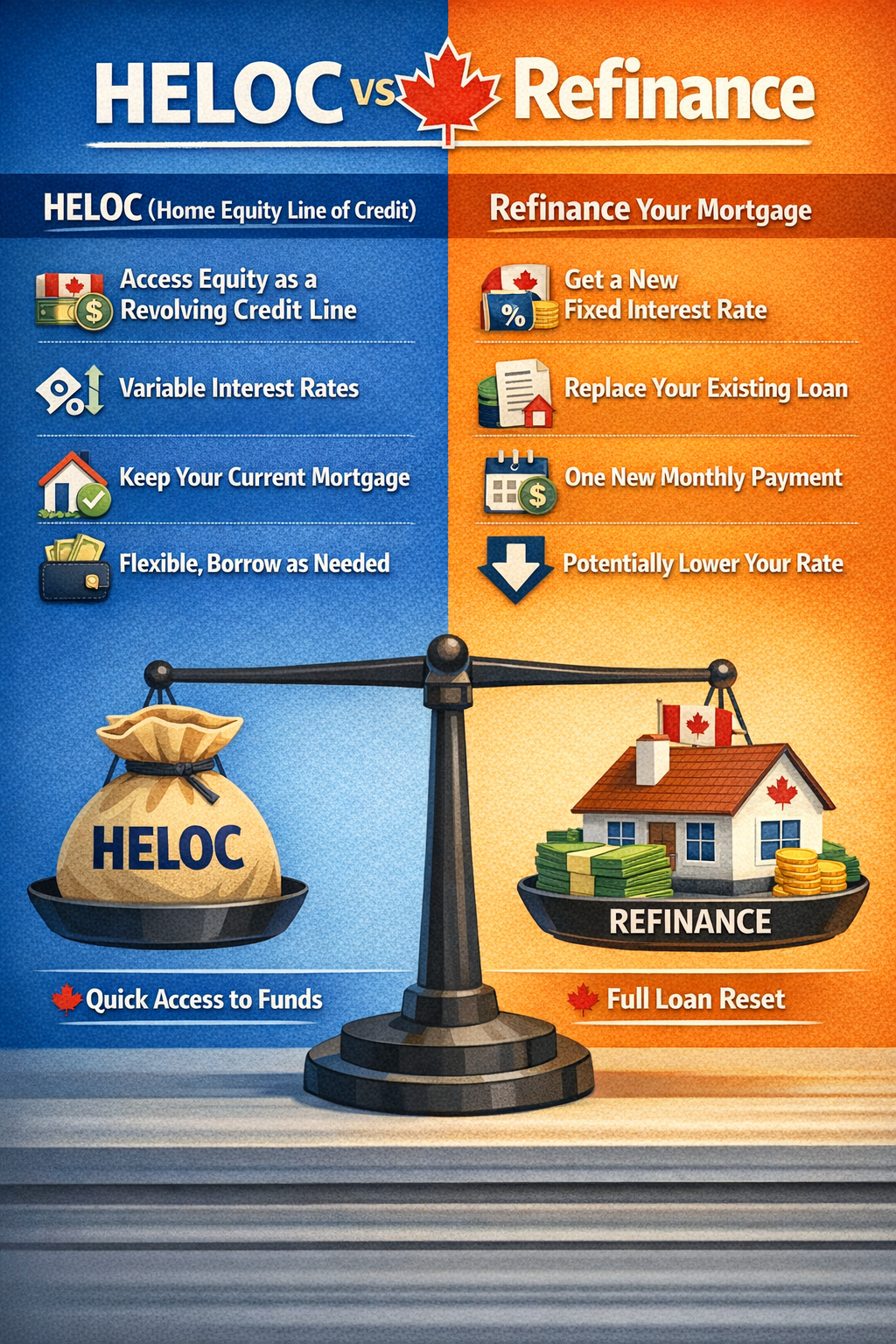
A secured line of credit, most commonly known as a Home Equity Line of Credit (HELOC) in Canada, is a revolving credit limit secured by your property. Unlike a traditional mortgage where you receive a lump sum and pay it back via fixed installments, a line of credit allows you to borrow, repay, and borrow again.
The “secured” nature of this product means the lender has a lien on your home. Because the risk to the lender is lower than an unsecured credit card, the interest rates are significantly more favorable. However, the secured line of credit monthly payments behave differently than any other loan product.
The Interest-Only Advantage (and Trap)
The most striking feature of a secured line of credit is the payment structure. Most Canadian lenders only require you to pay the interest on the amount you have actually borrowed.
-
The Benefit: Your monthly cash flow remains high because you aren’t forced to pay down the principal.
-
The Risk: If you only ever pay the interest, you will never actually owe less money. Your debt remains stagnant until you proactively decide to pay more.
2. How Interest Rates Dictate Your Monthly Payment
Most secured lines of credit are tied to the Prime Rate. In Canada, the Prime Rate is influenced by the Bank of Canada’s overnight rate. Your specific rate will usually be expressed as “Prime + X%.”
Because these rates are variable, your secured line of credit monthly payments can fluctuate month-to-month. If the Bank of Canada raises rates, your interest-only payment will increase immediately, even if your balance stays the same.
3. The Difference Between Secured and Unsecured Payments
It is a common mistake to compare a secured line of credit to a standard personal loan. A personal loan usually has a “fixed” monthly payment that includes both principal and interest.
A secured line of credit, however, offers “revolving” payments. This means your payment is strictly based on your daily average balance. If you owe $0, your payment is $0. This flexibility is vital for business owners or those with seasonal income, but it requires extreme discipline to ensure the principal eventually hits zero.
4. Factors That Influence Your Payment Amount
Several variables will determine what hits your bank statement every month:
-
The Current Balance: The more you use, the higher the interest.
-
The Variable Prime Rate: As mentioned, this is the “X-factor” in Canadian lending.
-
The Draw Period: Some lines of credit have a “draw period” where only interest is due, followed by a “repayment period” where the loan converts into a traditional amortized loan.
-
Additional Fees: While rare in Canada, some lenders charge monthly maintenance fees or “inactivity” fees if the line isn’t used.
5. Strategies to Manage and Reduce Your Monthly Payments
If you find your secured line of credit monthly payments becoming a burden, or if you simply want to be smarter with your equity, consider these three strategies:
A. The “Fixed-Term” Lock-in
Many Canadian lenders allow you to “lock in” a portion of your HELOC balance into a fixed-term mortgage segment. This converts that portion of the debt from interest-only to a standard principal-and-interest payment. While this increases your monthly outflow, it guarantees that the debt will be paid off by the end of the term.
B. Strategic Debt Consolidation
Using a secured line of credit to pay off credit cards (often at 19.99%–29.99%) is a brilliant move. Even if your HELOC rate is 7%, you are saving a massive amount in interest. Use the “saved” money to pay down the HELOC principal rather than spending it.
C. Automated Principal Contributions
Treat your HELOC like a mortgage. Set up an automated transfer that covers the interest plus a set amount of principal (e.g., $200 extra). This prevents the “forever debt” cycle.
6. The Impact of the “Stress Test” on Your Payments
When you apply for a secured line of credit in Canada, you must pass the Office of the Superintendent of Financial Institutions (OSFI) stress test.
Lenders don’t just check if you can afford the current 7% rate; they check if you can afford a payment at a significantly higher rate (usually the higher of 5.25% or your contract rate + 2%). While this doesn’t change your actual monthly payment today, it limits the amount you can borrow to ensure that your secured line of credit monthly payments don’t bankrupt you if rates spike.
7. Risks to Your Monthly Cash Flow
Before committing to a secured line of credit, you must be aware of the “Negative Words” associated with this product: Foreclosure and Callable Loans.
-
Collateral Risk: Because this is a secured loan, failure to make your monthly interest payments gives the lender the right to initiate power of sale or foreclosure proceedings.
-
The “Demand” Clause: Most lines of credit are “demand loans.” This means the bank can technically ask for the full balance to be repaid at any time, or they can reduce your credit limit without warning if your credit score drops or home values in Ontario decrease.
FAQ: Secured Line of Credit Monthly Payments
Can I pay only the interest on my secured line of credit?
Yes, most Canadian HELOCs allow for interest-only payments. This provides maximum flexibility but does not reduce the original debt.
How is the interest calculated?
Interest is calculated on your daily closing balance. This means if you make a payment in the middle of the month, you will pay less interest for the remainder of that month.
Do monthly payments change if I don’t use the line of credit?
No. If your balance is zero, you generally have no monthly payment obligations. It serves as a free (or low-cost) safety net.
What happens if the Prime Rate goes up?
Since most secured lines of credit are variable, your interest rate and your subsequent monthly payment will increase in tandem with the Prime Rate.
Is a secured line of credit better than a second mortgage?
A secured line of credit is usually better for those who need ongoing access to funds. A second mortgage is better for those who need a lump sum and prefer a structured repayment schedule with a fixed monthly payment.
Conclusion: Take Control of Your Home Equity
A secured line of credit offers a level of financial freedom that few other products can match. By leveraging the equity in your home, you can access lower rates and manage your cash flow on your own terms. However, the flexibility of interest-only payments requires a focused strategy to ensure you are building wealth, not just managing debt.
At Lendtoday, we specialize in helping Ontario homeowners navigate the complexities of the mortgage market. Whether you are looking for a reverse mortgage, a debt consolidation HELOC, or a traditional mortgage refinance, our team is dedicated to finding the lowest rates and the most flexible terms for your unique situation. Don’t let your equity sit idle—make it work for you.

- 7 Vital Facts About Secured Line of Credit Monthly Payments: A Complete Guide - February 11, 2026
- 12 Powerful Wins and Warnings: Our 2025 Year in Review on Mortgages, and Money - December 31, 2025
- Mortgage Co-Signer vs Guarantor in Canada: Expert Playbook to a Smarter Approval in 2025 - September 24, 2025