Finance the home you are building, one stage at a time
A construction mortgage funds your build in stages, releasing money as your project reaches each milestone. We have arranged private and alternative construction financing for over 20 years, including for borrowers the banks turned down.
- Funds released at every construction milestone
- Financing that can cover a large share of build costs
- Approvals available even with bruised credit
- Lenders for home builders, self builds and completions
What is a construction mortgage?
A construction mortgage, sometimes called a builder's mortgage, is financing designed for people building a home or other private structure. It is different from a regular mortgage because it funds the project before it is finished.
It is usually a short term loan, often around one year, with interest rates a little higher than a standard mortgage. Rather than handing over the full amount up front, the lender releases the money in scheduled draws as your build reaches each stage. When the home is complete, you either move in and convert to a conventional mortgage, which requires passing the federal mortgage stress test, or sell and pay out the lender.
We work mainly in Ontario, with access to construction lenders across Canada, so we can match you with flexible financing for your build even after the big banks say no.
How construction draws work
Instead of one lump sum, a construction mortgage advances funds in stages called draws, also known as progress advances. As each phase is finished and inspected, the next portion is released. A typical schedule looks like this.
Approve and set up
Financing is approved and your land is secured, with a first advance if you already own the lot.
Foundation
Once the foundation is poured and inspected, the next draw is released.
Framing and lock up
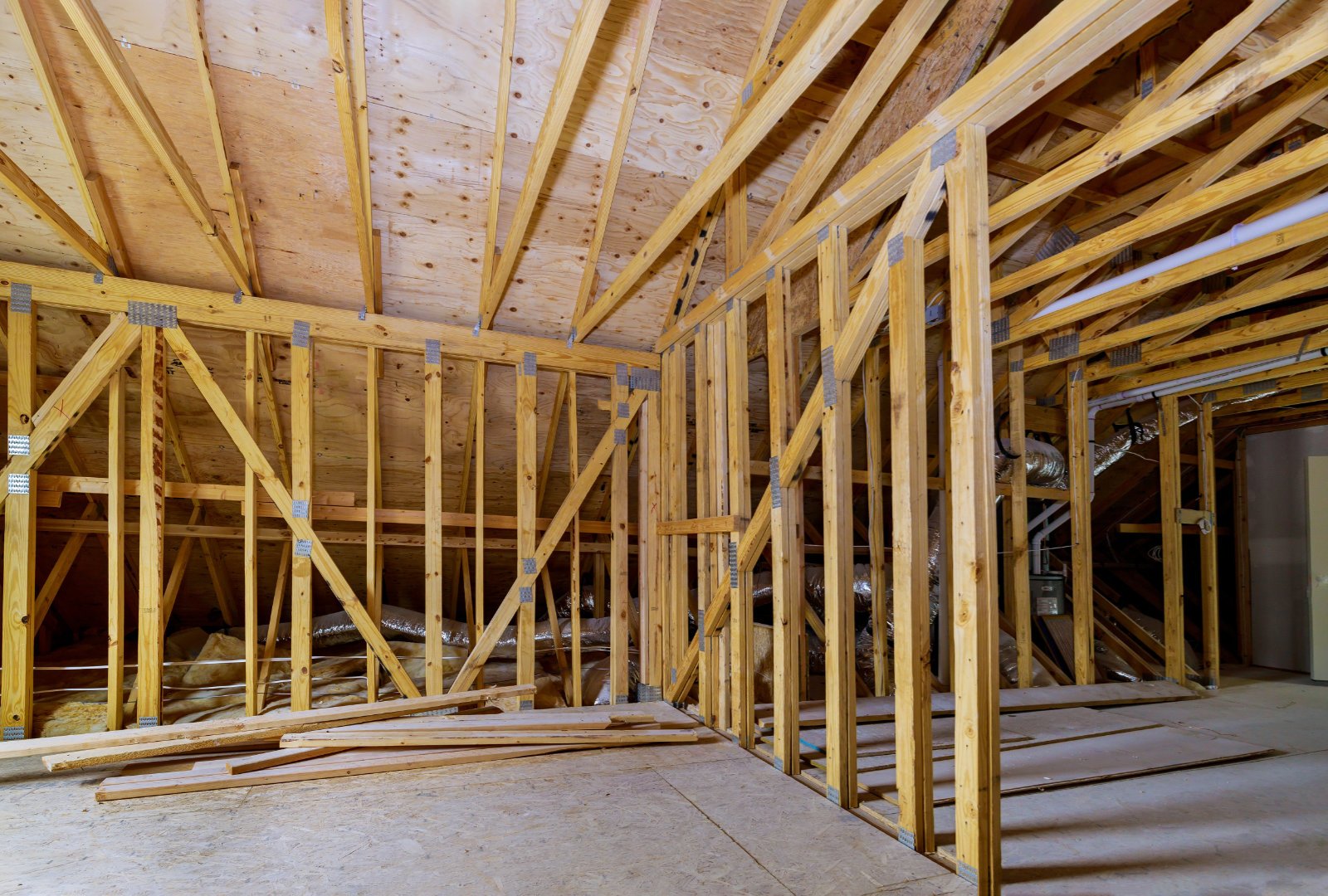
When the structure is framed and the home is weather tight, more funds are advanced.
Interior work
With drywall, systems and interior finishing underway, the next stage funds.
Completion
The final draw is released on completion, then you move in or refinance.
Good to know. Each draw is usually confirmed with an inspection or appraisal to verify the work is done. This protects both you and the lender, and it is why keeping your build on schedule and on budget matters. We help you plan the draw schedule so cash is there when you need it.
Three ways to finance a build
The right construction mortgage depends on who is building and how far along the project is. These are the three most common structures. For general help weighing mortgage types, the Financial Consumer Agency of Canada explains how to choose a mortgage that is right for you.
A registered builder builds for you
You buy from or hire a residential home builder who constructs your home. Funds are drawn in stages against the builder's progress. This is the most common path for a new build.
You or your contractor manage the build
You act as your own general contractor, or hire one directly. Draws follow a progress worksheet you prepare with us, stage by stage, matched to your budget and timeline.
The home is already built
For a home that is finished or nearly finished, a completion mortgage funds the final purchase. It works much like a standard purchase with construction paperwork.
What you will need, by build type
Before a build begins, your project generally must meet the National Building Code and any stricter local rules, and new homes usually need to be covered by a new home warranty. Here is what each build type typically requires. Ask us for our progress worksheet template.
Home builder draw mortgage
- Signed purchase agreement
- Proof of land ownership, or your offer to purchase the lot
- Construction plans and specs, with a specification sheet
- Your new home warranty registration number
Self build or general contractor draw mortgage
- Signed construction contract and cost estimates
- A completion schedule by stages, with payment timing per stage
- For a self build, a progress advance worksheet showing each stage, timelines and expected percent complete
- Land title or your offer to purchase, plus plans and specs
- Course of Construction insurance, and builder's risk insurance for a contractor build
- Your building and development permits, and for a self build a short resume of your construction experience
Completion only mortgage
- Signed purchase agreement
- Construction plans or specs, floor layout and exterior view
- MLS listing or a specification and feature sheet
- New home warranty registration number

Why builders choose LendToday
Qualifying for a construction mortgage at a big bank can be tough, especially with a bruised credit history or a nontraditional build. We take a different approach, with access to alternative and private lenders who understand construction.
High approval rate
An 80% approval rate, including borrowers with bad credit.
Fast and simple
A smoother process with an answer in as little as 24 hours.
Flexible terms
Terms built around time sensitive projects so you finish on time.
20 years of expertise
Two decades placing builder's mortgages through a wide lender network.
How to qualify for a construction mortgage
Every build is different, so there is no one size fits all. A well organized file helps us approach more lenders on your behalf and secure better terms.
- Know how you will use the funds and how you will repay them
- Prepare a detailed budget of what the project will cost
- Have your building plans, timelines and records of work ready

Construction projects we have approved
A quick look at recent builds we helped finance across Ontario. See more borrower stories in our client case studies.
Mississauga, Ontario
Residential home build
Whitby, Ontario
Duplex residential rental property
We primarily serve Ontario, with select construction lending available in non rural areas of British Columbia and Alberta.
Trusted Canadian mortgage specialists
Average client rating across our reviews
Construction mortgage approval rate
Lenders in our network
Licensed brokerage, #13691
Construction mortgage FAQ
How do construction mortgages work in Canada?
A construction mortgage funds your build in stages. The lender approves a total amount, then releases it in draws as your project hits milestones like foundation, framing and completion. Each draw is usually confirmed by an inspection. You make interest payments on the funds advanced, then convert to a conventional mortgage or pay out the lender when the build is done.
How much can I borrow for a construction project?
It depends on the lender, your equity in the land and the strength of your plans and budget. In some cases financing can cover up to about 90% of construction costs. We compare lenders to find the highest and most workable amount for your build.
Can I get a construction mortgage with bad credit?
Yes, it is often possible. Our network includes alternative and private lenders who look at the whole picture, not just your credit score. Talk to one of our specialists and we will tell you honestly what your options are.
What is the difference between a construction loan and a conventional mortgage?
A construction loan is short term, often about one year, and funds a home that is being built, with money released in draws and slightly higher rates. A conventional mortgage finances a home that already exists and is advanced as a single amount with a longer term.
What happens when construction is finished?
Once the build is complete, you typically convert the construction mortgage into a conventional mortgage and move in, or if you are selling, you pay out the lender on closing. We help you plan this step from the start so there are no surprises.
Do I need permits and a new home warranty?
Generally yes. Your build must meet the National Building Code and local rules, you will need the proper building and development permits, and new homes usually must be enrolled in a new home warranty. Course of Construction insurance is also normally required to protect the work in progress.
Build the home you can finally call your own
Ready to get your construction project funded? Call us or apply online and a specialist will map out your draw schedule and your options, with no obligation.