Bankruptcy and Consumer Proposals in Canada
Life after a bankruptcy or consumer proposal can feel overwhelming, especially when you are trying to secure or keep a mortgage. The good news is that it is not the end of your financial future.
At LendToday, we help Canadian homeowners rebuild credit, repay a proposal, and access mortgage options that fit their situation, even when the bank has said no.
- Repay a bankruptcy or proposal
- Restore your credit score
- Flexible financing terms
- No special income or credit rules
- Approvals in as little as 24 hours
Ready to talk? Call 1-855-242-7732
Quick answer: A bankruptcy and a consumer proposal are both legal ways to deal with overwhelming debt in Canada, but they work very differently. A consumer proposal generally lets homeowners keep their home, provided mortgage payments stay current, and does less damage to your credit, while bankruptcy can clear debt faster but may mean giving up some assets.
If you own a home, you often have more options than you think. Many Canadian homeowners use home equity to repay a proposal early, rebuild credit, and return to better mortgage rates sooner.
What Is a Bankruptcy or Consumer Proposal?
A bankruptcy occurs when you assign your assets to a Licensed Insolvency Trustee (LIT) in exchange for having most of your debts eliminated. It is a legal process governed by the Bankruptcy and Insolvency Act (BIA) and is recognized across Canada.
A consumer proposal is different. Instead of surrendering assets, you negotiate with creditors through an LIT to repay a portion of what you owe, usually over a period of up to five years. It is also a legal procedure, but it allows you to keep your home and other assets if you can continue making payments.
Key takeaway: The biggest practical difference for homeowners is what happens to your assets. A proposal is built around keeping them. A bankruptcy may require you to give some up.

Bankruptcy vs. Consumer Proposal: Key Differences for Homeowners
Both are legal debt solutions, but they affect your home, your mortgage, and your credit recovery differently. Here is how they compare from a homeowner's point of view:
| Issue | Bankruptcy | Consumer Proposal |
|---|---|---|
| Keep your house | Sometimes, depending on equity | Usually, if payments stay current |
| Mortgage approval | Difficult | Easier with alternative lenders |
| Credit recovery | Slower | Faster |
| Refinancing options | Limited | More available |
| Duration | 9 to 21 months (first bankruptcy) | Up to 5 years |
| Credit report impact | 6 years after discharge | 3 years after completion |
Key takeaway: A consumer proposal is usually less damaging to your credit than bankruptcy. It also keeps more mortgage options open for homeowners looking to refinance or buy.
How Bankruptcy and Consumer Proposals Impact Mortgages
Both bankruptcy and consumer proposals make it harder to get approved with A lenders (major banks and credit unions). These lenders typically require that your proposal is fully paid off and a waiting period has passed before they will consider your application.
However, there are alternative mortgage solutions:
- Private lenders often focus more on your equity and down payment than your credit history.
- Alternative (B) lenders may consider you sooner, usually with a minimum down payment of 20 percent.
Financing options to explore: Home Equity Loans and Second Mortgages.
Ways to Access Home Equity
Home Equity Loan
01Borrow against the value of your home. Approval is based on your available equity, not your credit score, making it a popular choice for paying off a consumer proposal early.
Private Mortgage
02Private lenders provide short-term financing solutions that do not require perfect credit. Whether you need to refinance or purchase a new property, a private mortgage gives you fast access to your home equity.
Alternative Lender (B Lender)
03These lenders offer mortgages up to 80 percent of a property's value. They do require at least a 20 percent down payment, but they are often more flexible than banks when it comes to credit history.
Second Mortgage
04A second mortgage is another option to access equity without replacing your existing mortgage. Funds can be used to pay off a consumer proposal, rebuild credit, or cover other financial needs.
Important: Approval in these situations depends more on equity and available down payment than on credit score alone. A mortgage professional can guide you to the right option.
Refinancing a Home With a Bankruptcy or Consumer Proposal
Yes, it is possible to refinance a home even if you are in a proposal. The key is working with lenders who specialize in these situations.
Example:
- Home value: $400,000
- Current mortgage: $200,000
- Available equity: $200,000
In this case, a lender may allow refinancing up to 80 percent loan-to-value (LTV), which would provide $120,000 in available funds. That can be used to pay off your consumer proposal early and rebuild credit faster.
Buying a Home After Bankruptcy or Consumer Proposal
You have two main options:
- Alternative lenders require 20 percent down (example: a $500,000 home means $100,000 down). These lenders are often the best path right after a bankruptcy or proposal.
- Wait and rebuild credit if you want to work with an A lender in the future. You will need to show two years of good repayment history after your proposal is discharged.
Having a co-signer can improve your chances, but the 20 percent down payment rule still applies.
Why Paying Off a Consumer Proposal Early Helps
Paying off your proposal early offers several benefits:
- Some creditors may effectively accept a lower overall repayment amount when a proposal is settled early, depending on the terms.
- Eliminates a monthly payment, freeing up cash flow.
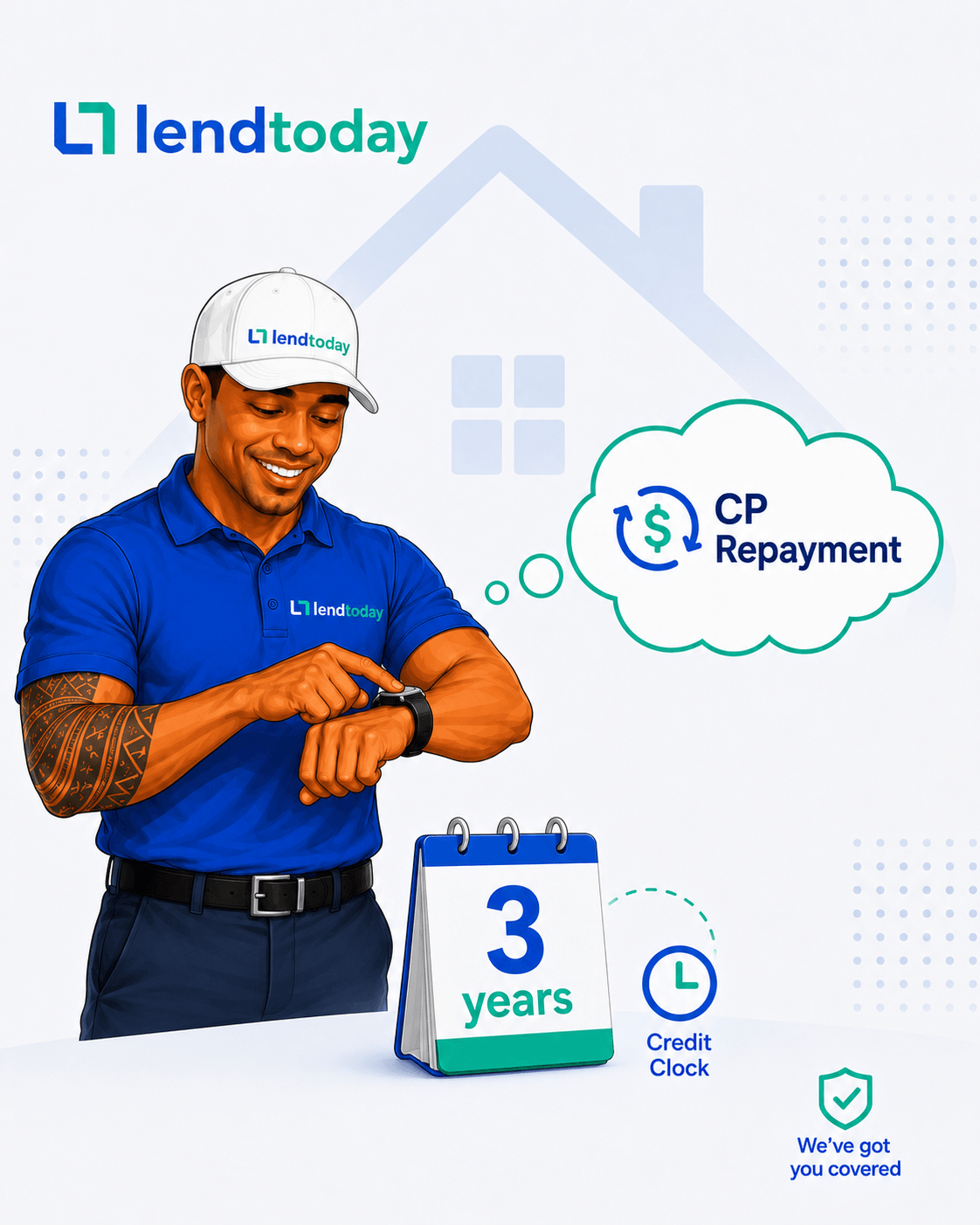
- Starts the 3-year credit reporting period sooner, which helps you qualify for prime mortgages faster.
- Helps you access better mortgage rates, credit cards, and lines of credit sooner.
Pro tip: Paying off your consumer proposal early is one of the fastest ways to return to traditional bank financing.
Alternatives to Bankruptcy and Consumer Proposals
Sometimes homeowners can avoid bankruptcy or a proposal altogether by exploring other solutions:
- Debt consolidation loans merge debts into one lower monthly payment.
- Home equity loans use equity to pay off debts without affecting credit as much.
- Credit counselling offers professional guidance to negotiate lower payments with creditors.
Consumer proposals and bankruptcies in Canada are governed by federal law under the Office of the Superintendent of Bankruptcy, which oversees Licensed Insolvency Trustees across the country.
Speak to a Mortgage Professional
Every bankruptcy or consumer proposal is unique. The right mortgage solution depends on your equity, income, and financial goals. At LendToday, we specialize in helping Canadians rebuild after financial challenges.
- Free consultation with a mortgage professional
- Fast and reliable solutions, even with bad credit
- Guidance to rebuild credit and access better rates
See an example: Read how a homeowner refinanced and consolidated debt after a consumer proposal.
FAQs About Bankruptcy and Consumer Proposals in Canada
What is the difference between bankruptcy and a consumer proposal?
Bankruptcy involves surrendering assets to eliminate debt, while a consumer proposal is a negotiated repayment plan that lets you keep your assets.
Can I get a mortgage while in a consumer proposal?
Yes, but usually with an alternative or private lender, and often with at least 20 percent down.
How soon after bankruptcy can I qualify for an A lender?
Typically two years after discharge, provided you have rebuilt credit responsibly.
Do I always need 20 percent down if I have had a bankruptcy?
Many B lenders and private lenders require 20 percent down, though requirements vary based on the lender and your circumstances. A lenders may require less, but usually only after your credit is rebuilt.
Should I pay off my consumer proposal early to qualify for better rates?
Yes. The earlier you pay it off, the sooner you can move back to traditional lending and secure lower interest rates.