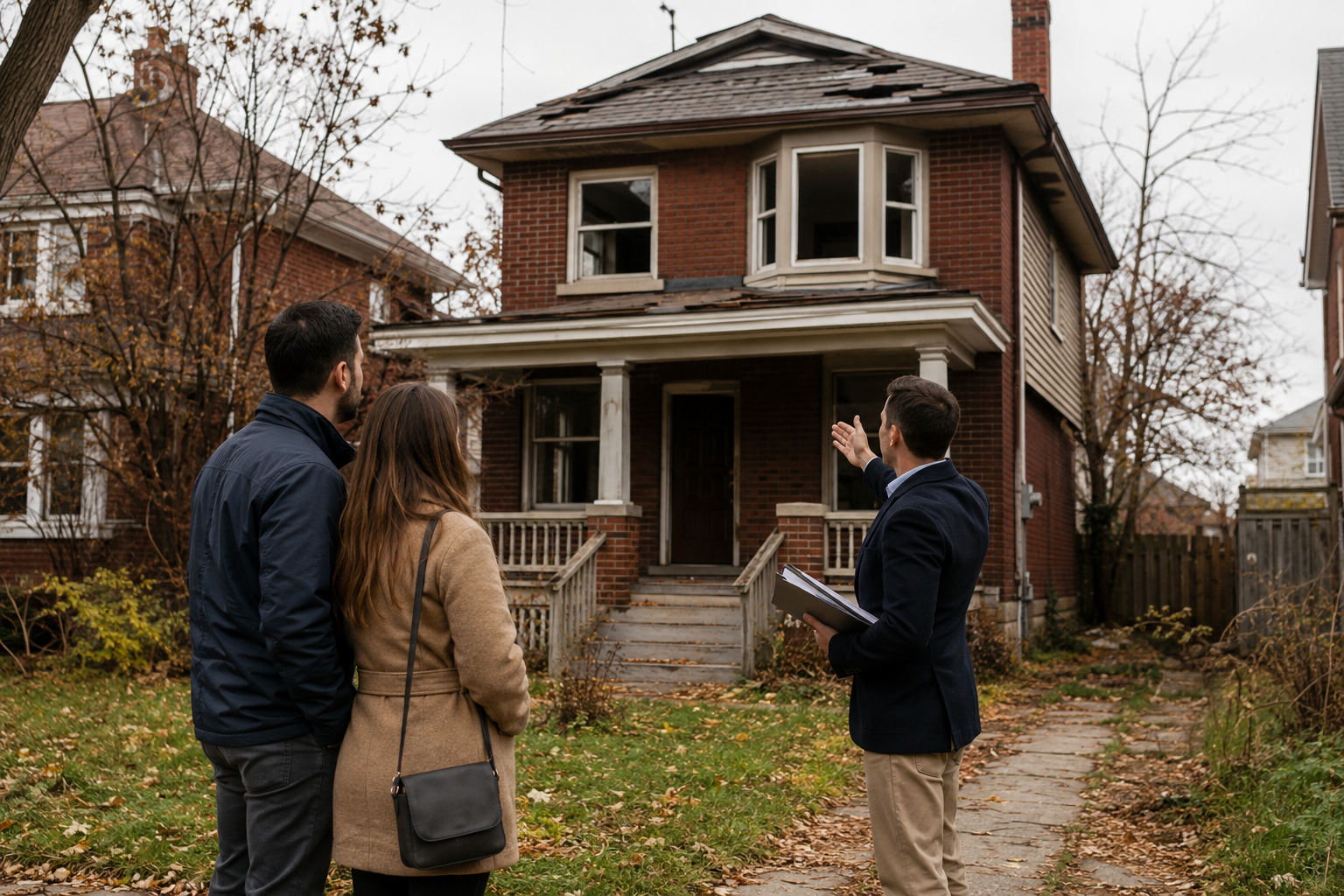
When you secure a mortgage to fund your dream home, you’re essentially entering a commitment with your lender, pledging to meet your regular payment obligations until the entire loan is settled. However, life can throw unexpected challenges, making it difficult to keep up with those mortgage payments.
In this comprehensive guide, we’ll explore the foreclosure process Ontario homeowners face, shedding light on the critical steps involved and providing you with essential information to help you avoid the distressing possibility of foreclosure. With rising costs of living in 2025 and economic uncertainty affecting many Canadian homeowners, understanding the foreclosure process in Ontario has never been more important.
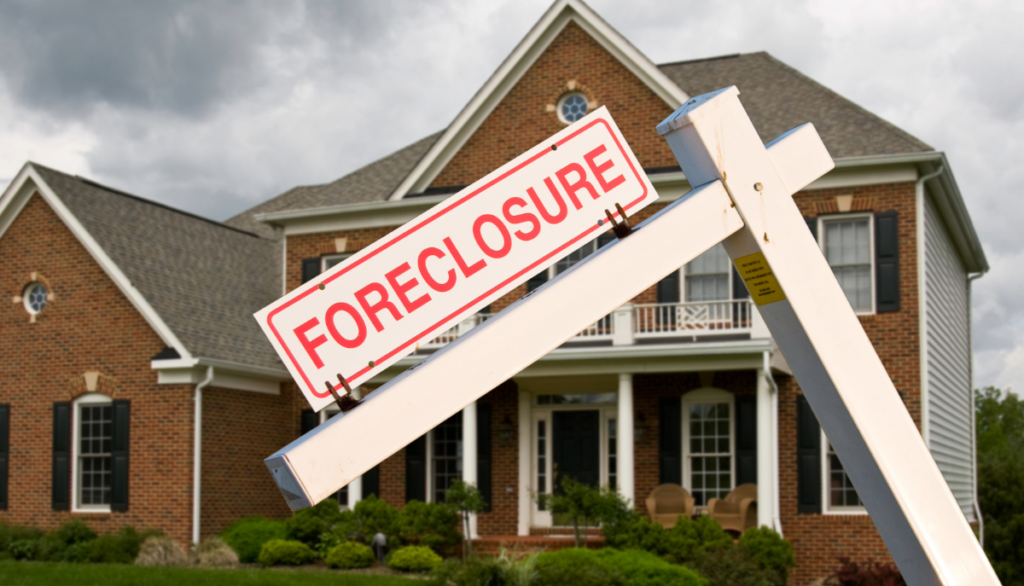
What is Foreclosure in Canada?
In Canada, mortgage lenders have legal methods to recover their money from borrowers who default on their mortgage payments, with the two primary procedures being ‘foreclosure’ and ‘power of sale.’ Understanding the foreclosure process Ontario lenders follow is essential for protecting your home and financial future.
The key distinction between them lies in the outcome: if a foreclosure action is granted to the lender, they gain title to your property, resulting in both the loss of your home and its equity. The foreclosure process in Ontario typically entails a more time-consuming and expensive procedure for mortgage lenders compared to power of sale.
It’s important to note that while this guide focuses on the foreclosure process Ontario uses, power of sale is significantly more common in the province and is generally the preferred method for lenders due to its efficiency and lower costs. However, understanding both processes ensures you’re fully prepared regardless of which path your lender chooses.

Power of Sale vs. Foreclosures Ontario
In Ontario, when dealing with mortgage arrears, there are two separate processes at play: “power of sale” and “foreclosure.” Here, we provide a straightforward explanation of the main differences between the two:
Foreclosure | Power of Sale | |
Ownership of the Property
| In a foreclosure, the lender gains full legal ownership of the property. This means any proceeds from the property’s sale belong entirely to the lender, but they cannot sue for any shortfall if the sale doesn’t cover the mortgage debt.
| In contrast, a power of sale does not grant ownership to the lender. Instead, it grants the lender the authority to sell the property through a court-sanctioned procedure, with any excess funds, once the mortgage and expenses are settled, going back to the homeowner. Nevertheless, the lender maintains the option to file a lawsuit against the borrower for any remaining deficit. |
| Process Efficiency and Cost | Foreclosure is a lengthy and expensive process for lenders, making it less common in Canada, especially when borrowers have home equity. | Power of sale is a more common and efficient method for lenders to address mortgage arrears, as it involves obtaining court permission to evict the homeowner and sell the property without taking ownership.
|
This process can be challenging, but with LendToday‘s expertise, you can receive valuable guidance and support in making decisions to protect your interests during these critical situations.

What is the Foreclosure Process in Ontario
Navigating the foreclosure process Ontario courts oversee involves several key steps. Understanding each stage of the foreclosure process in Ontario can help you take timely action to protect your home:
1. Mortgage Default Notice
Prior to commencing the foreclosure process Ontario law requires, there needs to be a breach of one of the mortgage conditions. In Ontario, it is mandatory for the lender to observe a waiting period of at least 15 days following the default date before taking any legal action.
2. Notice of Sale
On the 16th day following the occurrence of the default, the lender possesses the choice to dispatch a Notice of Sale to the property owner. Nevertheless, it is obligatory for the lender to hold off for a minimum of 35 days from the initial default date before pursuing any further legal steps. This waiting period allows the property owner time to address the default.
3. Statement of Claim
After the 35-day waiting period has passed, the lender is entitled to file a Statement of Claim with the Ontario Superior Court. This legal document must prominently feature the word “FORECLOSURE” on its initial page and must be appropriately served to the property owner.
4. Redemption Period
Upon receiving the Statement of Claim, the property owner typically has around 20 days to take action. They can either file a Statement of Defence, indicating a dispute with the lender’s claims, or file a Demand for Notice, signaling their awareness of the mortgage default and agreeing to the lender’s right to proceed with foreclosure.
Failing to file either of these statements could result in being considered “in default” of the Statement of Claim. Let LendToday guide and protect your interests through this complex process.

What to Do if You Are Facing a Foreclosure in Ontario
If you’ve received a Statement of Claim indicating you’re caught in the foreclosure process Ontario lenders initiate, here are your options, depending on the situation:
- Start by contacting your lender to explore the possibility of working out an arrangement to settle the outstanding amount.
- Not all lenders may be willing to negotiate, and they may demand immediate payment. (The Statement of Claim specifies the amount required and the final date for payment, typically covering the arrears and associated fees.)
- Once the payment deadline passes, the full mortgage amount plus fees becomes due.
- Homeowners can request a sale to convert the process into a power of sale, especially if the property’s value significantly exceeds the mortgage amount.
- If negotiation with the lender proves unsuccessful, you can still explore securing new financing to pay the mortgage or sell the property.
Understanding these steps and seeking professional advice, such as LendToday’s expertise, can be instrumental in making decisions when facing the foreclosure process in Ontario.

How to Stop Foreclosure in Ontario and Save Your Property
Ontario homeowners can halt the foreclosure process Ontario courts manage by getting their mortgage back on track, with several available options.
1. Pay Off the Entire Mortgage Arrears
Most lenders offer homeowners the chance to settle all arrears and restore their mortgage to good standing through a payment. If financial difficulties have led to the foreclosure process in Ontario being initiated against you and raising the necessary funds is challenging, consider options like a second mortgage or a home equity loan from an alternative lender.
2. Get a Private Loan
If you face difficulties securing a loan from a traditional bank or a major lending institution because they view your request as risky, there are alternative avenues to explore. You might think about applying for a second mortgage or a home equity loan to manage your current mortgage responsibilities.
Private mortgage lenders frequently offer loans that can reach up to 75-80% of your home’s appraised value, with interest rates typically ranging from 5.99% to 12.99% as of 2025, depending on factors such as your property’s equity, location, loan-to-value ratio, and the type of mortgage (first or second position).
Please note that rates and terms are always subject to change based on market conditions and individual circumstances.
3. Refinance Your Mortgage
Consider exploring the possibility of refinancing your mortgage through a private lender. This can help you clear any arrears and establish affordable monthly mortgage payments, effectively stopping the foreclosure process Ontario lenders have started.
4. Negotiate with the Lender
You can consider negotiating a payment arrangement with your lender and exploring changes to the mortgage terms to help you catch up on any outstanding arrears on the property.
5. Have a Private Lender Buy Out the Mortgage
In certain cases, private lenders might even consider purchasing your current mortgage if your home’s equity justifies such a decision. This approach allows you to address your mortgage arrears with tailored terms and conditions.
6. Sell the Property
In Ontario, cash buyers are willing to purchase your house in its current condition at a discounted price. This option allows you to sidestep the expensive foreclosure process in Ontario and eliminates the need for costly renovations or repairs before selling the property.
7. Request Forbearance
A Forbearance Agreement is a legal contract that enables you to pause or reduce your loan payments for up to a year, allowing borrowers to regain their financial footing.
The duration of the foreclosure process Ontario homeowners experience can vary widely, from three months to two years, depending on your circumstances within the foreclosure proceedings.
8. Consider Bankruptcy
Bankruptcy cannot legally halt the foreclosure process Ontario law establishes because it doesn’t address secured debt, such as a mortgage. However, bankruptcy may assist in addressing other debt concerns and enhance your cash flow, potentially providing you with enough funds to keep your mortgage payments up to date.
9. Request For Sale to Change Foreclosure to the Power of Sale
In Ontario, homeowners have the legal right to request a change in the type of default proceeding from foreclosure to power of sale. This could be a wise choice if you have substantial equity in your property and would benefit from selling your house while retaining ownership.
10. Legal Assistance
When dealing with the foreclosure process in Ontario, seeking legal assistance is crucial, especially when facing property tax arrears. An experienced lawyer can help you in navigating the legal intricacies and examine possible options to safeguard your property.
 Benefits of Stopping the Foreclosure Process
Stopping the foreclosure process Ontario homeowners face offers several key advantages:
- Protect Your Home: Prevent the sale of your home and safeguard your property.
- Preserve Equity: Retain your hard-earned equity, avoiding loss through foreclosure.
- Emotional Relief: Avoid the stress and anxiety associated with the foreclosure process in Ontario.
- Equity of Redemption: Utilize the equity of the redemption period to halt legal proceedings.
- Privacy: Prevent intrusive property visits by management, appraisers, or the sheriff during eviction.
- Cost Savings: Dodge daily accumulating mortgage and legal fees that diminish your equity.
- Maintain Creditworthiness: Clear potential interest rate premiums due to a history of foreclosure or power of sale.
Stopping the foreclosure process in Ontario can provide financial stability and peace of mind during challenging times.
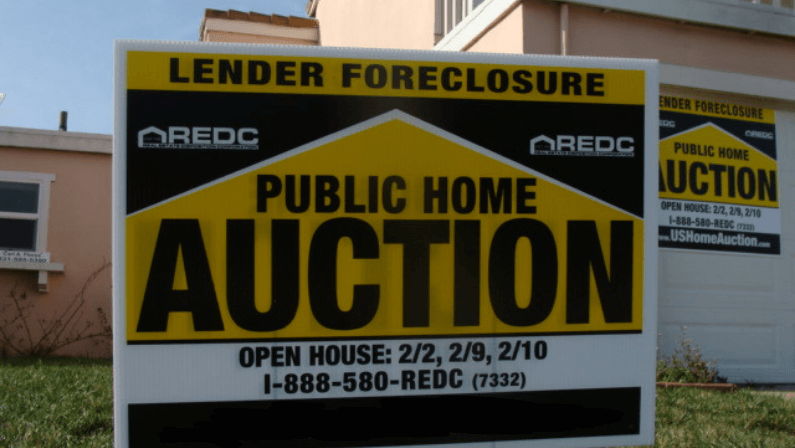
What Happens After a Foreclosure in Ontario?
After the foreclosure process Ontario courts authorize begins, various outcomes are possible based on the homeowner’s financial situation. Contrary to common belief, homeowners typically remain legal tenants until formal eviction.
Possible outcomes include:
- Redemption: Rarely can the homeowner pay off the mortgage debt and reclaim the property.
- Short Sale: The property owner can sell the property and utilize the resulting funds to settle the mortgage before or during the foreclosure process.
- Foreclosure Auction: The bank or court may sell the property at auction for profit.
- Bank Management: The bank may take control, allowing renters to move in.
Sometimes, a statutory redemption period allows homeowners to reclaim the property within a year after foreclosure. The full mortgage balance is usually required for redemption, especially if the mortgage has an acceleration clause.
LendToday offers valuable resources and services to assist individuals in navigating the post-foreclosure process and making informed decisions about your financial future.

Can a Lawyer Stop a Foreclosure in Ontario?
While a lawyer may not prevent the foreclosure process Ontario uses from starting, they can help you explore alternatives and mitigate the consequences.
An experienced foreclosure and mortgage law attorney can work with your lender to devise solutions, advise you on options to minimize losses and assist in gathering the necessary documentation for legal proceedings.
You must communicate with your lender, especially if facing temporary financial hardships, as they may offer deferrals or alternative payment arrangements to help you
 Should I Stop the Foreclosure?
The remaining equity depends on whether to stop a foreclosure or allow the lender to take the property. If there’s no equity left, fighting foreclosure may not be worthwhile.
However, the property owner should attempt to halt foreclosures if there’s significant equity. Consulting with a mortgage broker and a lawyer is recommended for informed decisions.

Can I Declare Bankruptcy to Get Out of Foreclosure in Ontario?
Declaring bankruptcy will not halt the foreclosure process in Ontario. To keep your house, catching up on missed payments is usually necessary. While bankruptcy won’t stop foreclosure, it can shield you from some consequences.
If your mortgage has CMHC insurance, the bank may be compensated for any shortfalls by CMHC, but this doesn’t prevent CMHC from pursuing you for the deficiency after taking over the bank’s claim.
FAQs about Foreclosures in Canada:
1. What occurs if my bank attempts to initiate foreclosure proceedings on my rental property?
If you’re struggling to keep up with mortgage payments on a rental property you own, the bank may obtain a court order through the foreclosure process Ontario law provides, which could lead to the tenant having to vacate. Typically, tenants are given a 30-day notice to move out in such situations.
2. Can I sell my property if my bank wants to foreclose on my home?
Yes, you can sell your home before the foreclosure process in Ontario begins, ideally before missing your first mortgage payment. Selling early allows you to regain financial stability and consider purchasing another home in the future.
3. When should you consult a Licensed Insolvency Trustee?
If you’ve attempted to negotiate with your lender after missing mortgage payments and are at risk of entering the foreclosure process Ontario lenders follow, promptly contact a Licensed Insolvency Trustee. They can offer guidance on dealing with foreclosure threats, including exploring options like bankruptcy or a consumer proposal.
Don’t Wait Until It’s Too Late – Take Proactive Steps to Secure Your Home
Understanding the foreclosure process Ontario homeowners may face is crucial in the face of financial hardship and the looming threat of foreclosure.
Knowing your rights, seeking professional advice, and exploring available options can significantly affect your ability to save your home. LendToday is here to serve as your trusted partner, offering expert guidance and resources to help you overcome challenges related to the foreclosure process in Ontario.
Important Disclaimer: The information provided in this guide about the foreclosure process Ontario residents experience is current as of 2025. Interest rates, lending terms, legal processes, and market conditions are subject to change. For the most current information specific to your situation, please contact LendToday or consult with a qualified mortgage professional and legal advisor.