Can a Mortgage Company Evict You in Ontario? ( A 2026 Power of Sale Guide)
If you’ve missed a mortgage payment, can a mortgage company evict you? Or are you staring down a renewal with the Bank of Canada holding its overnight rate at 2.25%, you might be feeling a heavy knot of anxiety. You’ve likely asked yourself the late-night question: Can the mortgage company actually kick me out of my house?
The short answer is yes, but it isn’t a “midnight lockout” scenario as you see in the movies. In Ontario, the process is structured, legal, and—most importantly—preventable if you act fast.
Quick Summary:
-
The Process: In Ontario, lenders almost always use Power of Sale, not foreclosure. It is faster (3–6 months) and allows the lender to sell your home to recover their debt.
-
The Clock: You typically have a 35-day “Redemption Period” once you receive a formal Notice of Sale to fix the default.
-
The Sheriff: A mortgage company cannot personally evict you; only a Court-appointed Sheriff can legally remove you and change the locks.
-
The Math: While the BoC rate is 2.25%, current 5-year fixed rates are averaging between 4.5% and 4.8% for conventional mortgages. This gap is what’s driving the current “renewal shock.”
-
Your Out: You can stop the process at almost any point before the final sale by catching up on arrears or refinancing with a lender like Lendtoday.ca.
Power of Sale vs. Foreclosure: The Ontario Reality
Can a Mortgage Company Evict You? Understanding Your Rights
In Ontario, 95% of mortgage defaults follow the Power of Sale route. Why? Because it’s faster for the bank and generally more transparent for the homeowner’s equity.
Power of Sale (The Fast Track)
Under Power of Sale, the lender doesn’t take ownership of your home. Instead, they take the right to sell it to recover their principal, interest, and legal fees.
-
Surplus Equity: If your home sells for $800,000 and you only owe the bank $500,000 (plus legal fees), the remaining $300,000 belongs to you.
-
Timeline: The process can begin just 15 days after your first missed payment.
Foreclosure (The Rare Path)
In a true foreclosure, the lender goes to court to take the title of the house entirely.
-
Equity Loss: If the bank wins, they own the house and all the equity in it. You get nothing back, even if the house is worth far more than the debt.
-
Timeline: This is a slow, court-heavy process that can take over a year, which is why most Ontario lenders avoid it unless the property has “underwater” equity.
The 2026 Context: Overnight Rates vs. Your Actual Payment
As of February 2026, there is a significant “disconnect” in the market that every Ontario homeowner needs to understand.
The Bank of Canada’s overnight rate sits at 2.25%. This rate influences variable mortgages and lines of credit. However, if you are looking for a 5-year fixed mortgage, the banks are currently offering rates in the 4.5% to 4.8% range.
Why the difference? Fixed rates are tied to Government of Canada Bond Yields, which have stayed elevated due to global trade uncertainty and inflation targets. If you are coming off a 2% “pandemic rate” from 2021, you are looking at a massive jump in your monthly costs.
The “Payment Shock” Math:
If you have a $500,000 mortgage with 20 years remaining:
-
Old Rate (2.0%): Your monthly payment was roughly $2,525.
-
Current Renewal (4.6%): Your monthly payment jumps to $3,175.
-
The Result: A $650/month increase. For many Ontario families already dealing with high property taxes and inflation, this is the breaking point that leads to default.
The Eviction Timeline: A Step-by-Step Breakdown
If you fall behind, here is the exact sequence of events in Ontario. Knowing where you are on this timeline is the key to saving your home.
-
Day 1-15: The Default. You miss a payment. The bank will call and send “friendly” reminders.
-
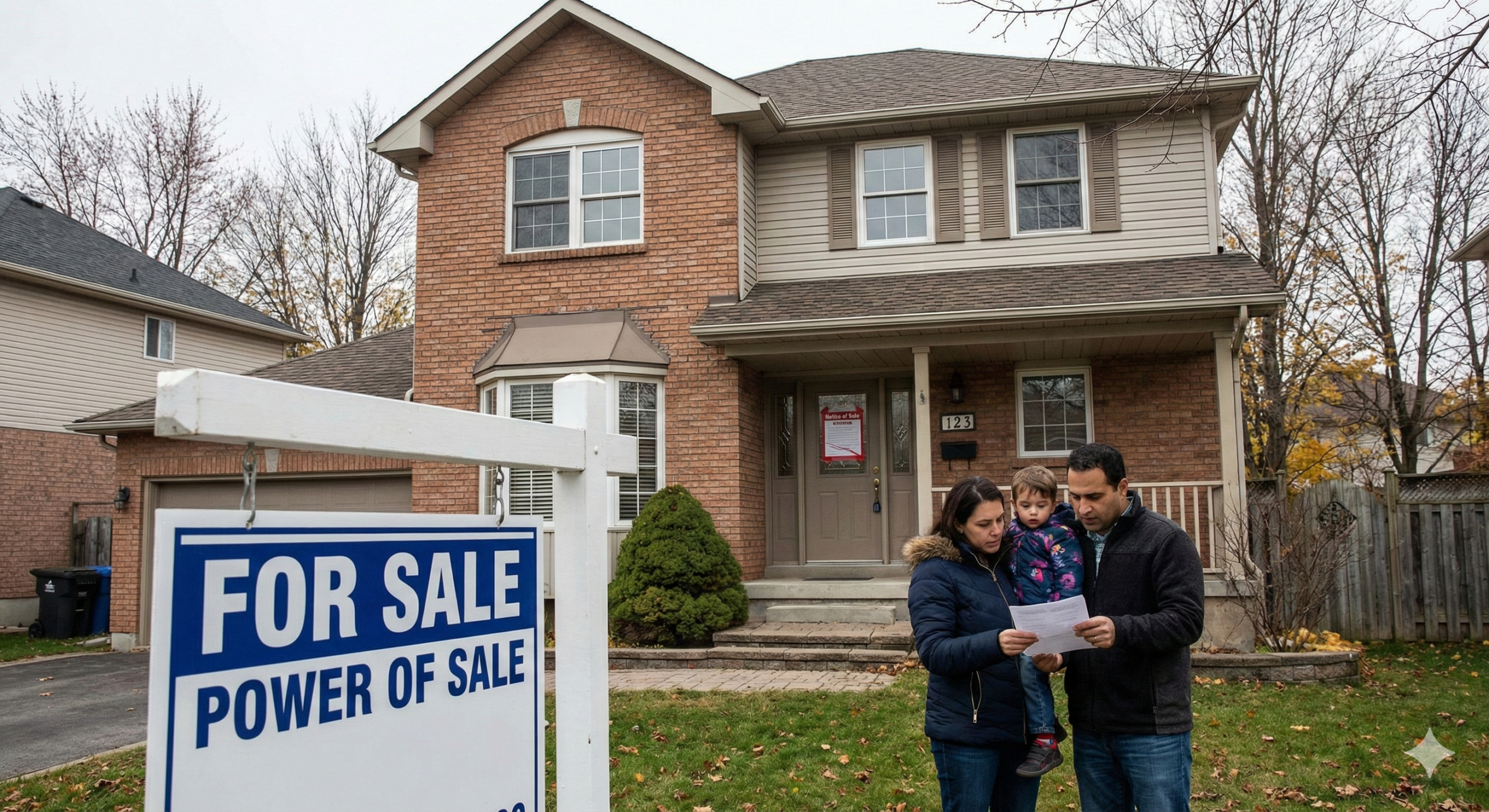
Day 15+: Notice of Sale. This is the formal legal start. The lender sends a document stating you are in default.
-
The 35-Day Redemption Window: This is your golden window. You have 35 days to “cure” the default by paying the arrears plus the lender’s legal fees.
-
Statement of Claim: If you don’t pay within 35 days, the lender files a claim in court to get “Vacant Possession.”
-
Writ of Possession: Once a judge signs off, the lender gets a Writ of Possession and gives it to the Sheriff’s Office.
-
The Eviction: The Sheriff provides a date. On that day, they arrive to ensure you have left and the locks are changed.
Common Myths vs. Reality
| Myth | Reality |
| “The bank can’t evict me in the winter.” | False. Ontario law does not have a “winter grace period.” Evictions happen year-round. |
| “I can stop the eviction by paying just the missed payments.” | Partially True. During the 35-day window, you can pay the arrears. After that, the bank may demand the full mortgage balance to stop the sale. |
| “If I leave, I don’t owe any more money.” | False. If the house sells for less than what you owe (a “shortfall”), the lender can sue you for the difference. |
| “The bank can change my locks tomorrow.” | False. Only a Sheriff can legally change the locks. If a lender does it themselves, it’s an illegal lockout. |
How to Stop a Mortgage Eviction in Ontario
If you have equity in your home, you have options. The worst thing you can do is “wait and see” while the bank’s legal fees eat away at your hard-earned equity.
1. Refinance with a Private Lender
Traditional banks have strict “Stress Tests” that make it nearly impossible to qualify once you’ve missed a payment. Private lenders focus on your home equity, not just your credit score. At Lendtoday.ca, we can often provide a second mortgage to pay off the arrears and stop the Power of Sale in its tracks.
2. The Reverse Mortgage (For ages 55+)
If you are a senior homeowner in Ontario, a CHIP Reverse Mortgage can eliminate monthly payments entirely. It pays off your existing mortgage and provides tax-free cash, allowing you to stay in your home without the stress of monthly bills.
3. Sell on Your Own Terms
Selling your home voluntarily allows you to control the price and save on the massive legal fees (often $10,000 – $15,000) that a lender will charge you during a Power of Sale process.
Frequently Asked Questions (FAQ)
“Can I be evicted if I’m only one payment behind?”
Technically, yes. A lender can issue a Notice of Sale after 15 days of default. However, most major banks wait until you are 2–3 months behind. Private lenders may move faster.
“What happens to my belongings if I’m evicted?”
Once the Sheriff executes the Writ of Possession, the lender takes control of the property. You are typically given a 72-hour window to remove your belongings. If you don’t, the lender is legally allowed to dispose of them or sell them to cover costs.
“Do I still have to pay property taxes during a Power of Sale?”
Yes. If you don’t pay your property taxes, the municipality can eventually sell your home. Most mortgage contracts consider unpaid taxes a “default,” which can trigger your bank to start their own eviction process to protect their interest.
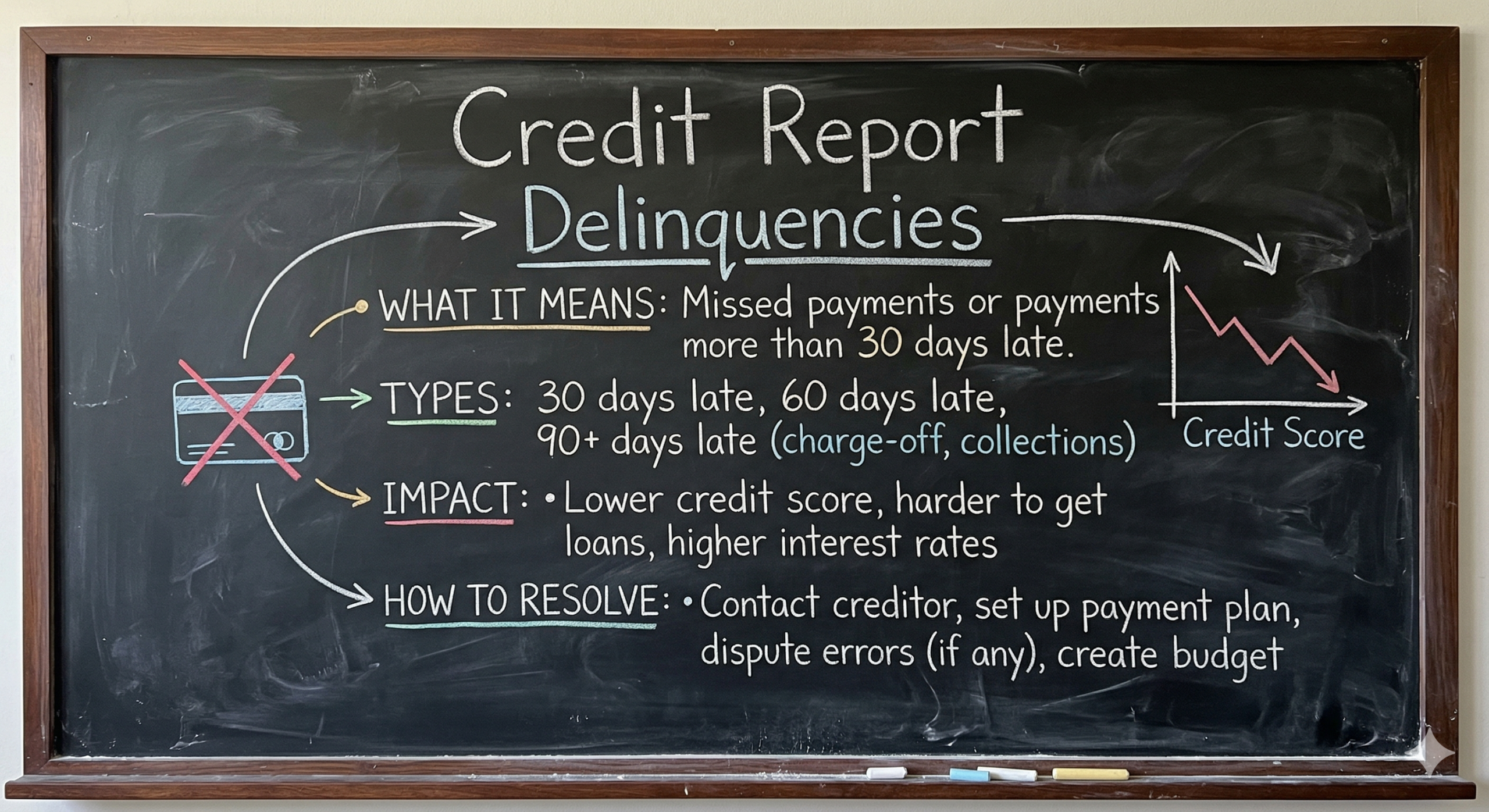
“Will a Power of Sale ruin my credit forever?”
It will significantly damage it for 6 to 7 years. However, by refinancing early and preventing the formal “eviction” or “Writ of Possession,” you can mitigate the long-term damage and begin rebuilding your credit sooner.
Don’t Let the Clock Run Out
At Lendtoday.ca, we specialize in helping Ontario homeowners who feel stuck. Whether you’re facing a Power of Sale or are just terrified of your upcoming renewal, we provide transparent, math-based solutions to keep you in your home.