If you’re getting a mortgage in Canada, your lender will not release the funds until you show proof of home insurance. Home insurance isn’t required by law, but every mortgage lender requires it in the mortgage contract, and you need to keep it in place until the mortgage is paid off.
Here’s what lenders look for, what to have ready before closing day, and what changes for condos, refinances and second mortgages.
Quick checklist: home insurance before closing day
- A policy that starts on or before your closing date
- Coverage for the full replacement cost of the home, not just the purchase price or loan amount
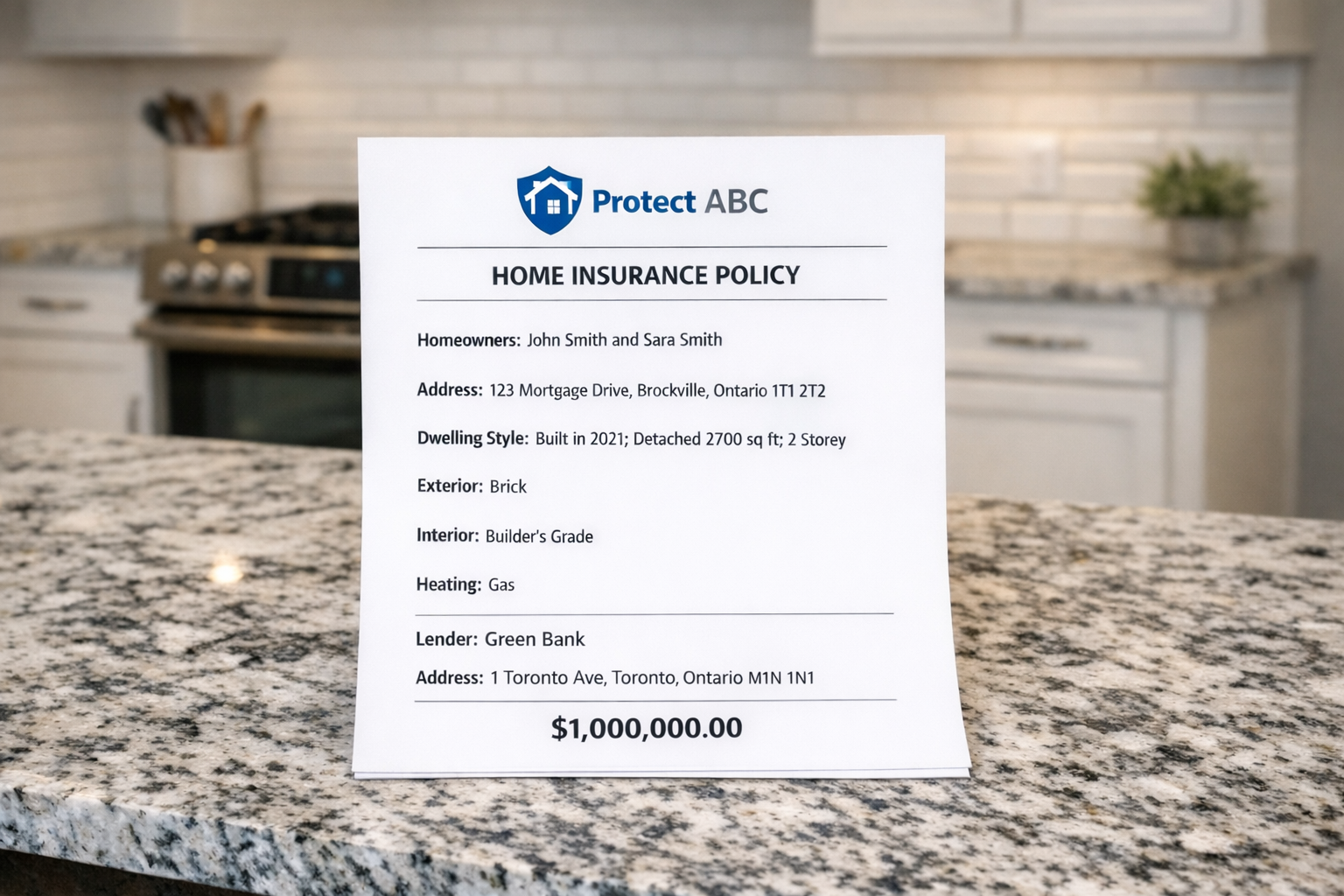
- Your lender named as mortgagee (also called loss payee), with the lender’s exact legal name, address and your mortgage number
- An insurance binder or confirmation letter sent to your real estate lawyer, usually at least a week before closing
- For condos: a unit owner policy, since the condo corporation insures the building
Is Home Insurance Mandatory in Canada?
Not by law. No federal or Ontario law says a homeowner must carry home insurance. But if you have a mortgage, your mortgage contract requires it, so in practice it is mandatory for almost every buyer.
The reason is simple: your home is the lender’s security. If it burns down and isn’t insured, the lender has nothing to recover. That’s why lenders require coverage before funding and check that it stays in place for the life of the mortgage.
If your home is paid off, insurance is your choice. Without it, though, you would pay for any fire, storm or water damage, and any liability claim, out of your own pocket.
Why Mortgage Lenders Require Home Insurance
Your lender has a large amount of money tied to one property. Home insurance protects that property against fire, wind, hail, theft and other insured perils, so the home can be repaired or rebuilt and the mortgage stays secured.
Every mortgage contract includes a clause requiring you to insure the property and keep the insurance in force. CMHC-insured mortgages and conventional mortgages from banks, B lenders and private lenders all require it.
What Home Insurance Coverage Does a Mortgage Lender Require?
Full Replacement Cost for the Building
The most important part is dwelling coverage, which pays to repair or rebuild the house itself. Lenders want the building insured for its full replacement cost: what it would cost to rebuild at today’s construction prices.
Replacement cost is not the same as market value or the purchase price. Land doesn’t burn, so a $900,000 home in Toronto might cost $500,000 to rebuild, while a rural home could cost more to rebuild than it would sell for. Your insurer calculates the rebuild cost from details like square footage, construction type and finishes.
Lenders generally accept a policy that insures the home to full replacement cost, even if that number is lower than your mortgage.
The Mortgagee Clause (Loss Payee)
Your lender must be named on the policy as mortgagee. Most Canadian home policies include the standard mortgage clause approved by the Insurance Bureau of Canada, which protects the lender’s interest even if a claim is denied because of something the homeowner did.
When there is a major claim, the insurer usually pays you and the lender jointly. The lender then releases the money as repairs are completed, so its security is restored.
You may hear “loss payee” and “mortgagee” used to mean the same thing. On a home policy, what matters is that your lender’s exact legal name, address and mortgage number are listed correctly.
Liability Coverage
Liability coverage pays if someone is hurt on your property or you damage someone else’s property. Lenders focus on the building, so they rarely set a liability minimum, but most home policies include $1 million to $2 million of liability coverage as standard. It protects you, and a large lawsuit can easily threaten your ability to pay the mortgage.
Water Damage and Overland Flood
Water is one of the most common home insurance claims in Canada. Sewer backup and overland flood coverage are often optional add-ons, not part of a basic policy. Lenders don’t always require them, but in flood-prone areas or homes with finished basements, they are worth reviewing with your insurer.
Contents and Additional Living Expenses
Coverage for your belongings and for hotel and food costs if you can’t live in the home during repairs protects you, not the lender. Lenders don’t require them, but a standard homeowner policy includes both.
Learn more about the types of home insurance coverage from the Insurance Bureau of Canada.
What Is a Home Insurance Binder?
A binder is a short document from your insurer or insurance broker that confirms your coverage is in place before the full policy arrives. Your real estate lawyer needs it before closing so the lender will release the mortgage funds.
A binder or confirmation of insurance usually shows:
- The property address and the names of the insured owners
- The insurance company and policy number
- The start date of coverage
- The dwelling coverage amount
- Your lender listed as mortgagee, with your mortgage number
Ask for the binder to be sent straight to your lawyer. A general proof of insurance letter that doesn’t name the lender may not be accepted.
Home Insurance Requirements Before Closing Day
Most closing delays caused by insurance are avoidable. A simple timeline:
- When your offer is firm: start getting home insurance quotes. Give the insurer the home’s age, size, construction, roof, heating, plumbing and electrical details. Your home inspection report helps.
- Once your mortgage is approved: give the insurer your lender’s exact legal name, mailing address and your mortgage number.
- At least one week before closing: have the binder sent to your lawyer, with coverage starting on your closing date.
- A few days before closing: confirm your lawyer has the binder and that the details match the mortgage.
Common mistake: cancelling the insurance on your current home too early. If you are selling one home and buying another, keep insurance on both until each deal has closed.
Your lawyer will also ask for other documents before closing, such as your ID for the mortgage, and will usually arrange title insurance, which is different from home insurance.
Home Insurance Requirements for Different Mortgage Situations
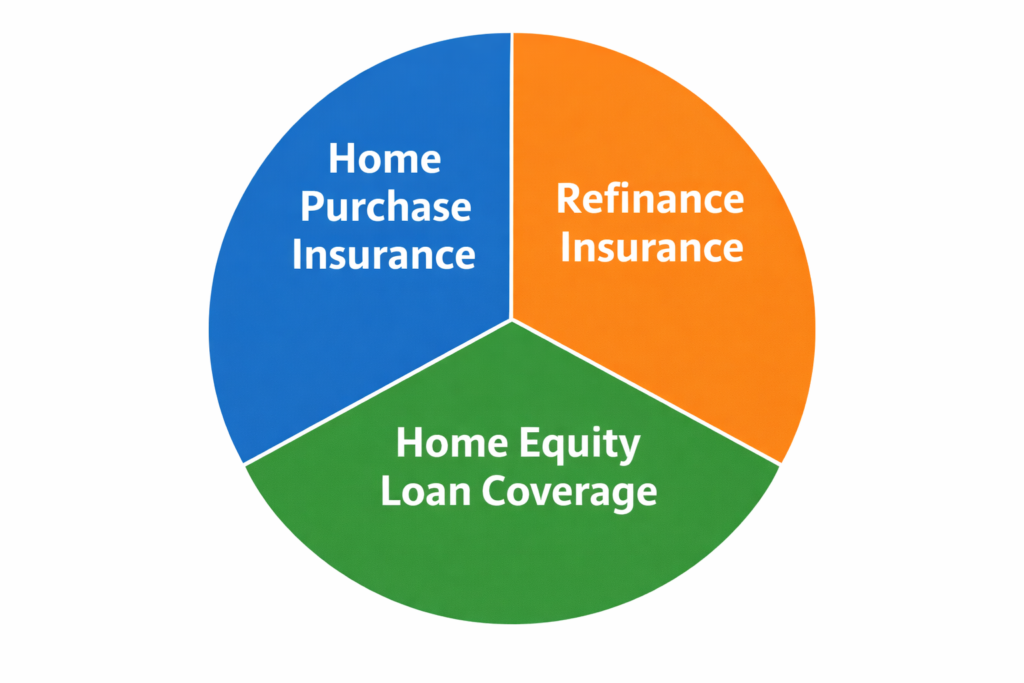
Buying a Home
You need the binder before closing, with coverage starting on the closing date. If you get the keys early, coverage should start when you take possession.
Buying a Condo
The condo corporation insures the building and common areas. You need a condo unit owner policy, which usually covers your belongings, upgrades to your unit (such as new flooring or a renovated kitchen), liability, and your share of costs the corporation may pass on to owners after a loss. Your lender will want proof of your unit policy, and your lawyer will review the condo’s status certificate, which includes the corporation’s insurance.
Refinancing
When you refinance your mortgage, your existing policy stays in place, but if you switch lenders the new lender must replace the old one as mortgagee. Call your insurer once the refinance is approved and ask them to send updated confirmation to your lawyer.
Second Mortgage or Home Equity Loan
A second mortgage or home equity loan lender will also need to be added to your policy, as second mortgagee. Your policy can list more than one lender. If there is a claim, the first mortgage lender’s interest comes first.
Rental Properties
If you rent out the home or a basement unit, tell your insurer. A standard homeowner policy may not cover a rental. You may need a landlord or rental dwelling policy, and your lender will want proof of the right coverage.
“Fire Insurance” in Your Mortgage Documents
Some mortgage documents still say “fire insurance.” That’s old wording. Lenders expect a standard home insurance policy that covers fire plus other common perils, such as wind, hail and theft. A fire-only policy won’t meet the requirement.
What Happens If Your Home Insurance Lapses?
Letting your home insurance lapse is a breach of your mortgage contract. Insurers normally notify the lender if a policy is cancelled, and lenders also ask for proof of renewal.
If coverage lapses, your lender will usually ask you to fix it quickly. If you don’t, the mortgage terms often let the lender arrange insurance itself and add the cost to your mortgage. That coverage typically protects only the building, not your belongings or your liability, and often costs more. If the default continues, the lender can take enforcement steps, which in Ontario usually means a power of sale.
Set up automatic premium payments and read your renewal notices, especially if your insurer raises the premium or changes your coverage.
Common Mistakes to Avoid
- Insuring the home for the purchase price instead of the replacement cost
- Waiting until closing week to arrange insurance
- Giving the insurer the wrong legal name for the lender or no mortgage number
- Forgetting to update the policy after a refinance or a new second mortgage
- Not telling the insurer about a rental unit or a home business
- Letting the policy lapse at renewal
FAQ
Is house insurance mandatory in Ontario?
No law requires it, but every mortgage lender does. If you have a mortgage, you must keep the home insured until the mortgage is paid off.
How much home insurance do I need for a mortgage in Canada?
Lenders want the building insured for its full replacement cost, which is what it would cost to rebuild. That can be higher or lower than the purchase price or the mortgage. Your insurer calculates it.
What do I need for home insurance before closing day in Canada?
A policy that starts on your closing date, insures the home for full replacement cost, and names your lender as mortgagee with your mortgage number. Your insurer sends a binder or confirmation to your lawyer before closing.
Does my mortgage lender require specific home insurance coverage?
Yes. At minimum, coverage for the building at full replacement cost against standard perils such as fire, with the lender named as mortgagee. Lenders don’t usually set rules for contents or liability coverage.
Does home insurance go into my mortgage payment?
Usually not in Canada. You pay your insurer directly. Some lenders collect property taxes with your mortgage payment, but home insurance is normally paid separately.
What is the difference between mortgage insurance and home insurance?
Home insurance protects the property from damage. Mortgage default insurance, such as CMHC insurance, protects the lender if you stop paying, and is required when you put down less than 20%. Mortgage life insurance is optional and pays off or reduces the mortgage if you die.
Can I change home insurance companies while I have a mortgage?
Yes. Make sure the new policy starts before the old one ends, lists your lender as mortgagee, and send proof of the new policy to your lender.
Start Your Mortgage Application