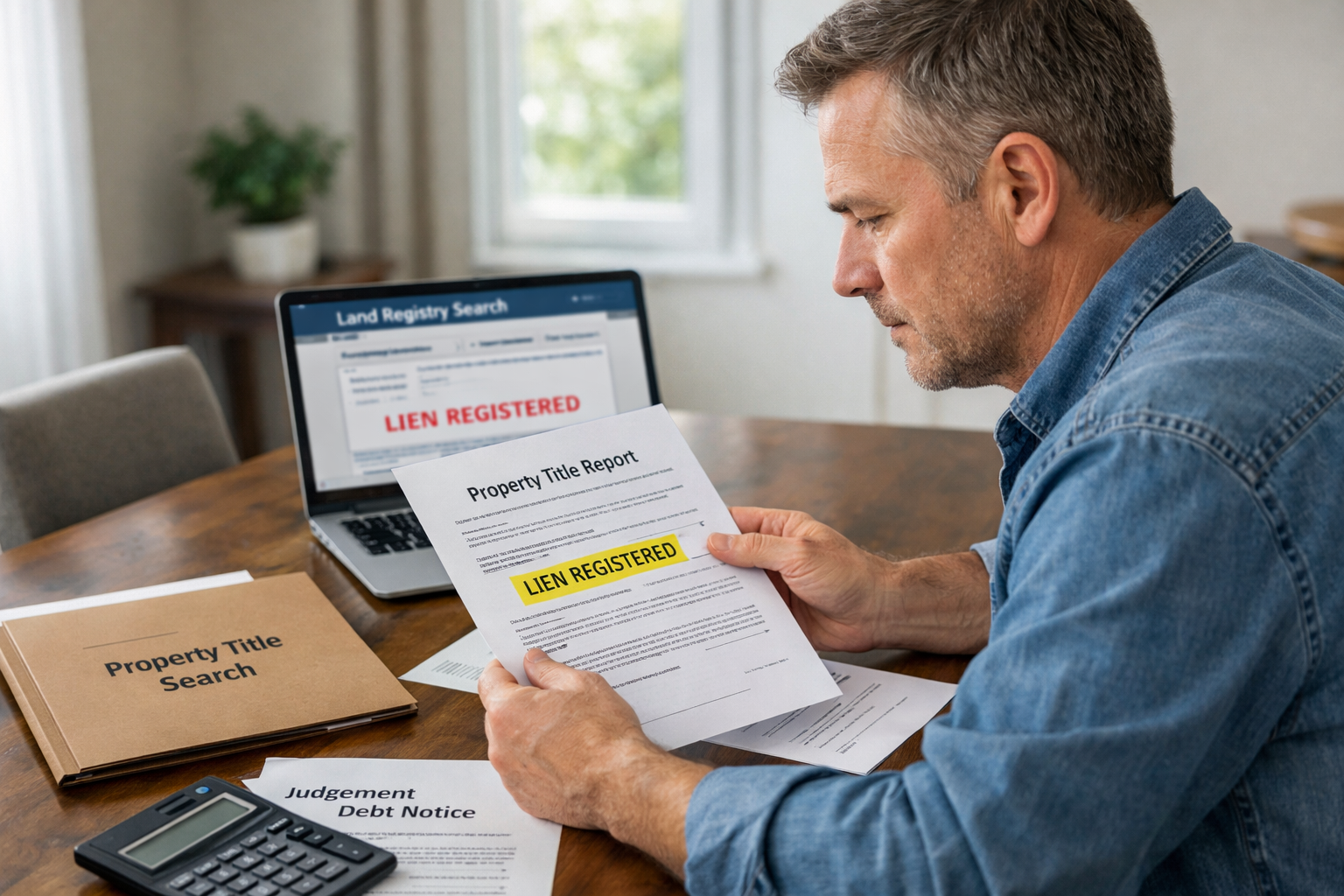
Discovering a lien on a property can be alarming, especially if you find out during the sale or refinancing of your home. A lien on a property is a legal claim registered against the title of real estate, placed there by a creditor, contractor, or government agency to secure repayment of a debt. It does not mean you will automatically lose your home, but it does mean the issue must be addressed before you can sell, transfer, or refinance.
This guide explains what a lien on a property means in Canada, why liens are registered, who has the authority to place them, and what your options are for getting them removed.
Key takeaway: A lien on a property is a serious legal claim, but it can often be resolved through repayment, settlement, refinancing, or a formal legal discharge.
What Is a Lien on a Property?
Legal Definition
A lien on a property is a legal claim registered against the title of real estate as security for a debt. It is part of the public record and can be found by anyone who conducts a title search through the provincial land registry system. In Ontario, this is maintained through the land titles registry.
There are three key characteristics of a lien on a property:
- It attaches to the property title itself, not just the homeowner personally
- It gives the creditor a legal interest and the right to pursue repayment
- It remains registered on the title until the debt is paid off or the lien is formally discharged
How a Lien Works
When someone owes money and fails to pay, a creditor may pursue legal action and register a lien on a property as a way to secure their claim.
Once the lien is registered, several consequences follow:
- The property cannot be sold until the lien is addressed
- Mortgage lenders will typically refuse to refinance while a lien remains on title
- Interest and legal costs may continue to accumulate on the underlying debt
It is important to understand that a lien on a property does not transfer ownership to the creditor. It secures the creditor’s financial claim against the value of the home, but the homeowner retains ownership unless enforcement action is taken.
Important to note: Many homeowners only discover a lien on a property during a title search when preparing to sell or refinance. If this happens to you, understanding your options is the first step toward resolving the situation.
Why Are Liens Placed on Properties in Canada?
There are several reasons a lien on a property may be registered in Canada. In most cases, it occurs when a debt goes unpaid, and a creditor uses a lien as a legal tool to protect their financial interest.
Unpaid Debts and Court Judgments
When a creditor wins a court judgment for an unpaid debt, they may register a judgment lien on a property to secure repayment. This commonly arises from personal loans, credit card debt, or unpaid legal settlements. Once registered, the lien attaches to the title and cannot be ignored.
Contractor and Construction Disputes
If a contractor, subcontractor, or supplier completes work on a property and is not paid, they have the right to register a construction lien. This is common in renovation disputes where payment disagreements arise after work is completed. In Ontario, construction liens must be registered within strict time limits under the Construction Act.
Government Claims
Government agencies at the municipal, provincial, and federal levels can place a lien on a property for unpaid obligations, including:
- Property tax arrears owed to a municipality
- Unpaid Canada Revenue Agency (CRA) tax debts
- Outstanding provincial tax obligations or municipal charges
Mortgage Default
Mortgage lenders already hold a registered charge on title, which functions similarly to a lien. However, additional liens can appear on a property if other debts go unpaid while a mortgage is active. A property can carry multiple liens from multiple creditors at the same time.
Key takeaway: A lien on a property is typically used as leverage to ensure a debt gets paid when other collection efforts have failed. Creditors generally prefer repayment over enforcement.
Who Has the Authority to Put a Lien on a Home?
Not everyone can register a lien on a property. There must be a legal basis for the claim, and proper procedures must be followed under provincial or federal law.
Creditors with Court Judgments
When a creditor wins a civil lawsuit for unpaid debt, they may register a judgment lien on a property. The lien attaches to the homeowner’s real estate and remains until the debt is satisfied or the judgment expires.
Contractors and Builders
Contractors who performed work and were not paid can file a construction lien on a property under provincial construction legislation. These liens must follow strict registration deadlines. In Ontario, a contractor generally has 60 days from the last day of work to register a construction lien.
Government Authorities
Federal and provincial government agencies have statutory authority to register a lien on a property without first obtaining a court judgment. The Canada Revenue Agency, municipal tax departments, and provincial tax agencies all have this power for unpaid obligations.
Mortgage Lenders
When a homeowner takes out a mortgage, the lender registers a charge on title. This charge functions like a lien and gives the lender legal security over the property. If mortgage payments are missed, this registered charge enables the lender to pursue enforcement, including power of sale.
Common myth: Many homeowners assume only banks can place liens on a home. In reality, several parties, including contractors, government agencies, and judgment creditors, may legally register a lien on a property if proper legal procedures are followed.
Types of Liens on a Property in Canada
The type of lien on a property affects the legal rules, registration deadlines, and enforcement options available. Below is a summary of the most common types in Canada.
| Type | Description | Example |
|---|---|---|
| Judgment Lien | Registered after a court judgment for an unpaid debt. Attaches to the property title and remains until the debt is paid. | Credit card lawsuit resulting in a judgment |
| Construction Lien | Filed by a contractor, subcontractor, or supplier who performed work and was not paid. Subject to strict registration deadlines. | Renovation dispute over unpaid work |
| Tax Lien | Registered by a government agency for unpaid property taxes or municipal charges. | Property tax arrears owed to a municipality |
| Mortgage Charge | Registered by a lender to secure a mortgage loan. Functions similarly to a lien on the property. | Bank mortgage on a residential home |
| CRA Lien | Registered by the Canada Revenue Agency for unpaid federal taxes. Does not require a court order. | Unpaid business or personal income tax |
Each type of lien on a property follows different legal rules, registration requirements, and enforcement timelines. If you are unsure what type of lien is registered against your home, a real estate lawyer can help you understand the claim and your options.
Ways a Lien on a Property Can Be Removed
A lien on a property does not last forever. Depending on the situation, there are several ways to resolve the claim and have the lien discharged from title.
Option 1: Pay Off the Debt
The most straightforward way to remove a lien on a property is to pay the outstanding debt in full. Once payment is made, the creditor is required to file a formal discharge of the lien with the land registry. It is important to confirm that the discharge has been registered on title after payment is made.
Option 2: Negotiate a Settlement
In some cases, creditors are willing to negotiate before the full debt is paid. Options may include partial repayment at a reduced amount, a structured payment plan, or a negotiated lump-sum settlement. Getting any agreement in writing and confirming the discharge of the lien on the property title is essential once a settlement is reached.
Option 3: Refinance the Property
Homeowners who have built up equity in their home sometimes use refinancing to pay off the debt and remove the lien on their property.
Options that may be available include:
- Refinancing an existing mortgage to access equity
- Obtaining a home equity loan or line of credit
- Arranging a second mortgage to cover the debt
This approach allows the homeowner to resolve the lien while retaining ownership of the property. A mortgage broker familiar with lien situations can help identify the right financing solution.
Option 4: Challenge the Lien in Court
If a lien on a property was registered improperly or without legal basis, it can be challenged through the court system. A court may order the removal of the lien if the underlying claim is found to be invalid, if registration deadlines were missed, or if proper legal procedures were not followed. This option typically requires legal representation.
Common mistake: Ignoring a lien on a property in hopes that it will disappear on its own. A lien remains attached to the property title until it is formally discharged. Inaction can lead to growing legal costs and reduced options over time.
Does a Lien on a Property Mean You Can Lose Your Home?
A lien on a property does not automatically mean you will lose your home. However, it can create serious legal and financial consequences if left unresolved.
In the short term, a lien on a property may cause:
- Difficulty or inability to sell the home until the lien is cleared
- Refusal by mortgage lenders to approve refinancing
- Ongoing accumulation of interest and legal fees
If the underlying debt continues to go unpaid and a creditor chooses to pursue enforcement, the consequences can escalate. Depending on the type of creditor and the province, enforcement options may include:
- A court-ordered sale of the property
- A power of sale initiated by the creditor
- Foreclosure proceedings in certain provinces
In practice, most creditors prefer to receive payment rather than pursue a forced sale. Enforcement is costly, time-consuming, and not guaranteed to recover the full amount owed. This means there is often room to negotiate a resolution before the situation reaches that point.
Key takeaway: A lien on a property is a warning sign that a debt needs to be addressed. Taking action early gives you the most options and the best chance of resolving the situation without losing your home.
Frequently Asked Questions About a Lien on a Property
What is the difference between a lien and a mortgage?
A mortgage is a voluntary loan that a homeowner agrees to, secured against the property as collateral. A lien on a property, by contrast, is typically registered because of an unpaid debt or a legal dispute, often without the homeowner’s consent. Mortgages are agreed upon upfront as part of a financing arrangement. Liens are generally imposed after a payment problem has gone unresolved.
Can you sell a home with a lien on a property?
It is possible to sell a home that has a lien on the property, but the lien almost always must be paid off before or during the sale. The real estate lawyer handling the transaction will conduct a title search to identify any registered liens and will ensure the lien is discharged before ownership legally transfers to the buyer. In some cases, the proceeds from the sale are used to pay off the lien at closing.
How long does a lien stay on a property in Canada?
The duration of a lien on a property depends on the type of lien. Some liens, such as judgment liens, remain on title indefinitely until they are paid off or legally discharged. Others, like construction liens, may expire after a specific period if no legal action is taken to enforce them. A lawyer can confirm how long a particular lien is valid and what steps are needed to have it removed.
Can refinancing remove a lien on a property?
Yes. Homeowners with available equity sometimes refinance their mortgage, obtain a home equity loan, or arrange a second mortgage to pay off the debt attached to the lien on their property. Once the debt is paid, the creditor must formally discharge the lien from title. A mortgage professional or real estate lawyer can help you understand whether refinancing is a viable option given your specific circumstances.
How do you find out if there is a lien on your property?
The most reliable way to find out if there is a lien on a property is to conduct a title search through the provincial land registry system. In Ontario, this is done through the land titles registry. Real estate lawyers, mortgage professionals, and licensed title search companies can perform this search on your behalf. It is standard practice to conduct a title search before any real estate transaction to confirm the status of the title.
What happens if you ignore a lien on a property?
Ignoring a lien on a property is one of the most costly mistakes a homeowner can make. The lien will not disappear on its own. Over time, legal costs and interest can increase the total amount owed. If the creditor pursues enforcement, you may face a court-ordered sale, power of sale proceedings, or other legal action. The earlier a lien is addressed, the more options are available to resolve it.
Getting Help with a Lien on a Property
If you have discovered a lien on a property you own, or suspect one may have been registered, speaking with a real estate lawyer is the best first step. A lawyer can confirm what type of lien has been registered, explain what the creditor is entitled to, and help you understand your options for resolving the claim.