Introduction: Do You Really Need A Mortgage-Free Home?
If you are a homeowner approaching retirement, you might have heard that reverse mortgages are only for people who own their home outright. That belief stops a lot of Canadians from even asking the question:
Does your house have to be paid off to get a reverse mortgage?
The short answer is no, your home does not have to be completely paid off. You can still qualify for a reverse mortgage even if you have an existing mortgage or secured line of credit. The key is how much equity you have and whether the reverse mortgage lender can pay out your existing mortgage balance from the funds advanced.
In this guide, we will walk through exactly how that works, what lenders look for, and how a reverse mortgage can fit into a bigger retirement and cash flow plan.
What Is A Reverse Mortgage?
A reverse mortgage is a home loan designed for older homeowners that allows you to access the equity in your home without having to sell or make monthly mortgage payments.
In Canada, reverse mortgages are typically available to homeowners aged 55 and older. Instead of you paying the lender each month, the lender advances funds to you. Interest is added to the balance over time, and the loan is usually repaid when:
-
You sell the home
-
You move out permanently
-
The last borrower on the title passes away
The biggest benefit many retirees appreciate is this: no regular mortgage payments are required as long as you keep up with your property taxes, insurance, and basic home maintenance.
Do You Need To Own Your Home Free And Clear?
This is the core question:
No. You do not need a mortgage free home. What you do need is enough equity so that:
-
The reverse mortgage can pay off your existing mortgage or secured debt on title, and
-
The total reverse mortgage amount still fits within the lender’s maximum loan-to-value (LTV) limit.
Here is what that looks like in practice:
-
The lender approves you for up to a certain percentage of your home’s value.
-
Any existing mortgage or secured line of credit on the property must be paid out from the reverse mortgage funds at closing.
-
Any remaining funds after the payout can be advanced to you as a lump sum, regular advances, or a combination of both, depending on the product and lender.
So, you can still qualify even if you owe money on your home, as long as the numbers work.
How Lenders Decide How Much You Can Borrow
Reverse mortgage lenders in Canada consider several factors when deciding how much of your home equity you can access:
-
Your age and the age of any co-borrower
-
Your home’s appraised value
-
The location and type of property
-
Current interest rates
Generally, the older you are and the more your home is worth, the higher the percentage of your home’s value you may be able to access.
For example:
-
A 55-year-old might qualify for a lower percentage of home value.
-
A 75-year-old with a similar home might qualify for a higher percentage.
The lender wants to be comfortable that, even as interest accumulates over time, the balance should be covered by the property value when the loan is repaid.
Example: Reverse Mortgage With An Existing Mortgage
Let us look at a simple example to see how this works.
-
Home value: $800,000
-
Existing mortgage: $150,000
-
Reverse mortgage maximum approval (say 40 percent of value): $320,000
At closing, the reverse mortgage funds first pay out the $150,000 outstanding mortgage. That clears the existing mortgage from the title.
Now you have:
-
Reverse mortgage balance: $150,000 to start (because it replaced your old mortgage)
-
Additional available funds: $170,000 ($320,000 total approval minus $150,000 payout)
Those extra funds may be advanced to you right away or over time, depending on the product and how you structure it.
The main idea is that you did not need the home to be paid off, but you did need enough equity so that the reverse mortgage could replace your current mortgage and still stay within lender limits.
Facts About Getting A Reverse Mortgage Before Your Home Is Paid Off
1. Your Existing Mortgage Must Be Paid Out, Not Your Entire Home
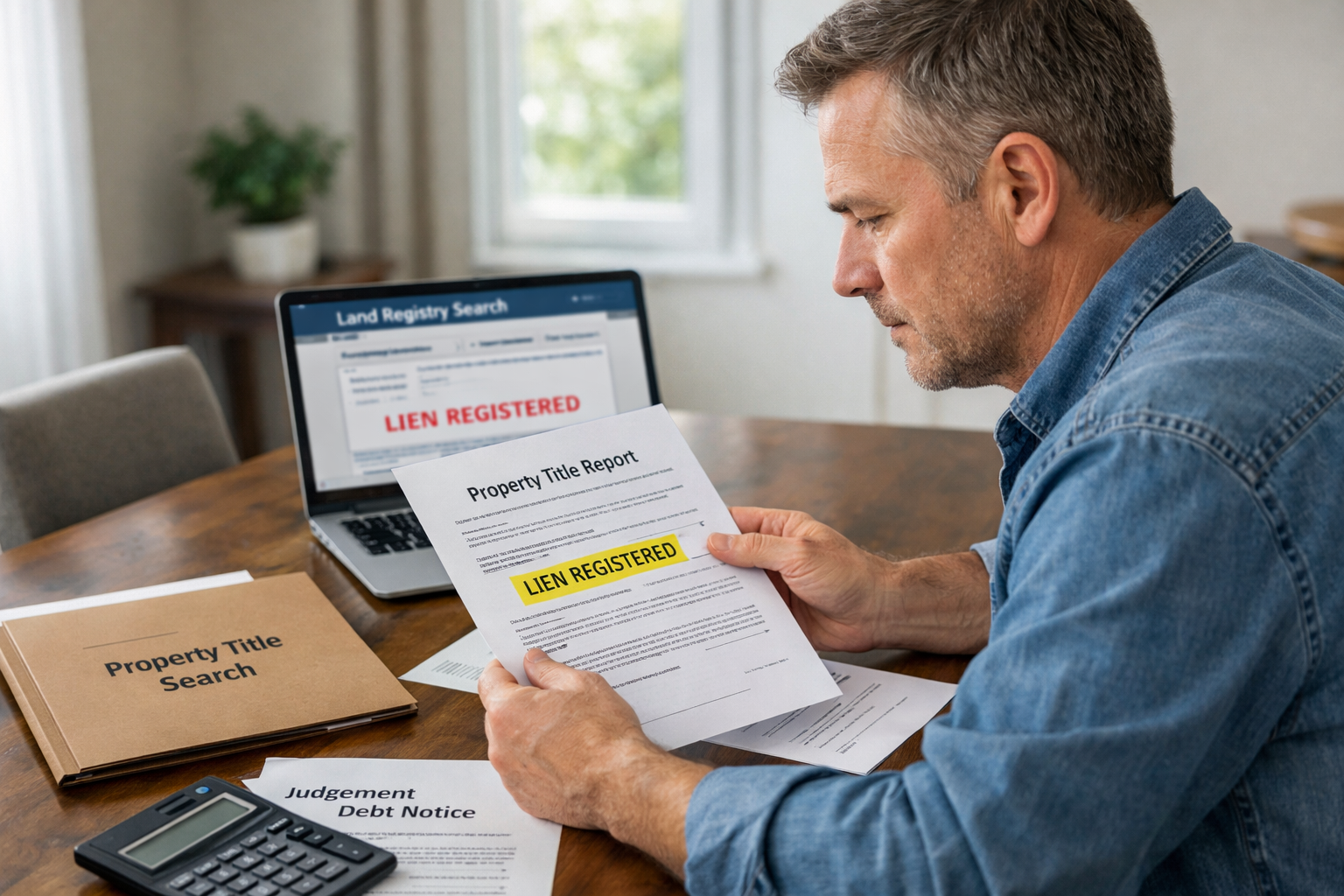
Lenders require that any mortgage or secured line of credit on the property is paid in full from reverse mortgage proceeds. That does not mean the home has to be debt free before you apply. It simply means the reverse mortgage takes first position on title, replacing those existing loans.
2. You Keep Legal Ownership Of Your Home
A common fear is that using a reverse mortgage means “the bank owns your home.” That is not accurate. You remain on title. You keep ownership as long as you:
-
Live in the home as your primary residence
-
Maintain the property
-
Pay your property taxes and home insurance
The reverse mortgage is a registered charge against your property, similar to a regular mortgage.
3. There Are No Mandatory Monthly Mortgage Payments
Whether your home is fully paid off or not, a reverse mortgage gives you the same key advantage: no required monthly mortgage payments. This can be a major relief for retired homeowners who are dealing with:
-
Rising living costs
-
Debt payments from credit cards or lines of credit
-
Limited pension or retirement income
Instead of sending money to the bank every month, your cash flow is freed up. Interest simply accrues on the reverse mortgage balance over time.
4. You Can Use The Funds To Restructure Debt
If you have an existing mortgage plus high-interest debts like credit cards or unsecured lines of credit, a reverse mortgage can help you consolidate those obligations into one solution, while removing the pressure of monthly payments.
Homeowners often use reverse mortgage funds to:
-
Pay off an existing mortgage or home equity line of credit
-
Consolidate credit card balances
-
Clear personal loans
-
Reduce overall monthly obligations
This can be especially powerful if you are on a fixed income and want to simplify your finances.
5. You Can Access Additional Equity Even After Paying Off Your Mortgage
As shown in the example above, you may have money left over after paying out your existing mortgage. This additional cash can be used to:
-
Supplement monthly income
-
Cover home renovations or repairs
-
Assist children or grandchildren
-
Pay for medical or long term care expenses
-
Create an emergency savings buffer
For many homeowners, the goal is not only to eliminate a mortgage payment but also to create a more comfortable and secure retirement.
6. Interest Accrues Over Time, So Planning Matters
Because you are not making regular payments, interest is added to the reverse mortgage balance. Over the years, the balance grows.
This is an important trade off to understand. You gain flexibility and cash flow today in exchange for a portion of your future home equity.
Good planning conversations with a mortgage professional can help you:
-
Estimate how the balance may grow over time
-
Understand the impact on your estate and future inheritance
-
Decide how much of your available equity to access now versus later
The goal is to use your home equity strategically, not recklessly.
7. You Are Protected By “No Negative Equity” Guarantees
In Canada, reverse mortgage products typically include a “no negative equity” guarantee, as long as you meet your obligations under the mortgage. This protection means that when your home is eventually sold to repay the reverse mortgage:
-
You or your estate will not owe more than the fair market value of the home at the time of sale.
If the sale proceeds are more than the balance owing, the remaining equity goes to you or your estate. That helps address the fear that interest will snowball so much that your family will be left with a bill.
Eligibility Basics For A Reverse Mortgage
To qualify for a reverse mortgage in Canada, you generally need to meet these criteria:
-
You are at least 55 years of age
-
Your home is your principal residence
-
You have sufficient equity in your property
-
The property type and location are acceptable to the lender
-
All individuals on the title meet the age and eligibility requirements
You do not need perfect credit or employment income the way you would for a traditional mortgage. The focus is more on your property and equity position.
Pros And Cons Of Getting A Reverse Mortgage Before Your Home Is Paid Off
Advantages
-
Remove your current mortgage payment and improve cash flow
-
Consolidate high-interest debt into one solution
-
Stay in your home instead of selling or downsizing
-
Access equity to support retirement goals or unexpected expenses
-
No income or payment requirements like a traditional refinance
Considerations
-
Your mortgage and other debts on the title must be fully paid out
-
Your reverse mortgage balance will grow over time with interest
-
You may have less equity available later for downsizing or inheritance
-
Setup costs, legal fees, and appraisal fees need to be considered
The right option depends on your plans, health, family situation, and long-term financial goals.
When A Reverse Mortgage Can Make Sense
Using a reverse mortgage before your home is fully paid off may be a good fit if:
-
The monthly mortgage payment is straining your budget
-
You want to stay in your current home for the long term
-
You are comfortable with gradually using some of your home equity
-
You have a limited income but substantial home equity
-
You prefer not to sell or rent out your home to generate cash flow
On the other hand, if your goal is to aggressively preserve every dollar of home equity for your estate and you can comfortably handle payments, a conventional refinance or accelerated payoff might be better.
Why Work With A Mortgage Professional
Reverse mortgages are specialized products. The numbers can be significant, and the impact on your long-term plans can be large.
A knowledgeable mortgage broker can:
-
Review your full financial picture
-
Calculate how much you could qualify for
-
Compare a reverse mortgage with other options like refinancing, HELOCs, or downsizing
-
Explain all fees, interest rates, and terms in plain language
-
Help you decide how to structure the advance to suit your needs
Most importantly, they can answer the big question in a way that fits your personal situation, not just in theory: does your house have to be paid off to get a reverse mortgage, and does it make sense for you right now
Frequently Asked Questions
1. Does my house have to be paid off to get a reverse mortgage?
No. Your home does not have to be paid off. However, any existing mortgage or secured line of credit registered against your home must be paid out from the reverse mortgage funds at closing. You just need enough equity so the reverse mortgage approval can cover those balances and still fit within the lender’s limits.
2. Can I get a reverse mortgage if I still owe a large amount on my mortgage?
It depends on your home value and how much the reverse mortgage lender is willing to advance. If your existing mortgage balance is too high relative to your home value, you may not qualify, or the lender may approve a lower amount that is not enough to fully pay out your current mortgage.
3. Will I lose ownership of my home with a reverse mortgage?
No. You remain the legal owner of your home and your name stays on title. The reverse mortgage is a registered charge against the property, similar to any other mortgage. You continue to live in your home as long as you meet the requirements of the mortgage.
4. Do I have to make any payments on a reverse mortgage?
You are not required to make regular mortgage payments on a reverse mortgage. Interest is added to the balance instead. You must still pay property taxes, home insurance, and maintain the home, but there is no monthly mortgage payment unless you choose to pay interest voluntarily.
5. What happens to a reverse mortgage when I pass away?
When the last borrower on title passes away, the reverse mortgage becomes due. Typically, your estate can either:
-
Sell the property and use the sale proceeds to repay the balance, or
-
Pay off the reverse mortgage from other sources and keep the home in the family.
Any remaining equity after the reverse mortgage is repaid goes to your estate or beneficiaries.
6. Can I move or sell my home if I have a reverse mortgage?
Yes. You are free to sell your home. When you sell, the reverse mortgage is paid out from the sale proceeds, just like a regular mortgage. Any remaining funds after repayment belong to you.
7. Can I be behind on bills or have poor credit and still qualify?
Reverse mortgage lenders focus more on your property and equity than on your credit score or income. Some late payments or weaker credit history may be acceptable, as long as the lender is confident that you can maintain your property, pay taxes, and insure the home.