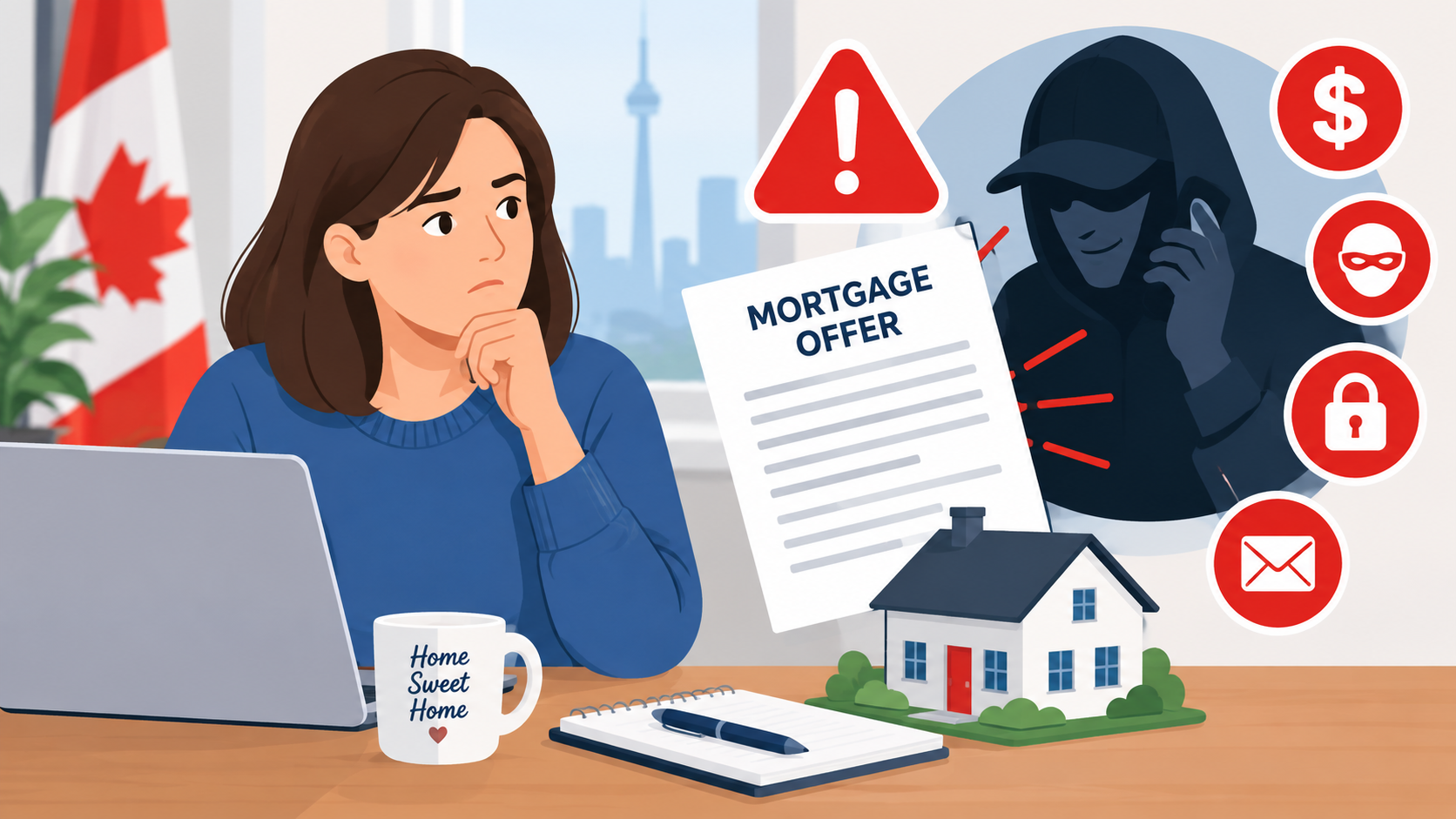
Falling behind on property taxes happens to more homeowners than you might think. A job loss, an illness, a separation, or a surprise bill can push the tax payment to the bottom of the pile. Then the next instalment comes due, penalties start adding up, and catching up feels further away each month.
If you own your home in Ontario, you may already have the solution sitting in your walls. A property tax loan lets you use your home equity to pay off what you owe to the municipality in full, stop the penalties, and replace a growing tax debt with one predictable payment.
This guide explains what a property tax loan really is in Ontario, how it works from start to finish, which equity options can be used, and what to check before you borrow. If you would like to talk through your situation, a consultation with our team is free and comes with no obligation.
Table of Contents
ToggleWhat Is a Property Tax Loan in Ontario?
If you search for a property tax loan online, many of the results come from the United States, especially Texas. Those companies offer a specific state-regulated product where the lender pays the county and takes over the tax lien. That product does not exist here.
In Ontario, and across Canada, a property tax loan simply means borrowing against the equity in your home to pay off past due property taxes. The loan is secured by your property, the same way a mortgage is. When the loan closes, the funds go straight to the municipality to bring your tax account current, often through your lawyer.
Your equity is the difference between what your home is worth and what you owe on it. If your home is worth $600,000 and your mortgage balance is $350,000, you have $250,000 in equity. That equity is what a lender looks at to decide how much you can borrow. The Financial Consumer Agency of Canada has a helpful overview of how borrowing against home equity works.
Why Past Due Property Taxes Need Attention Now
Property tax arrears are not like a late credit card bill. Three things make them more urgent.
The charges keep growing. Under section 345 of the Municipal Act, 2001, Ontario municipalities can charge a penalty of up to 1.25% on unpaid taxes, plus interest of up to 1.25% per month on the balance. Many municipalities, including the City of Windsor, charge the maximum. That works out to as much as 15% a year.
Unpaid taxes rank ahead of your mortgage. Property tax arrears can take priority over most other debts registered on your home. That is why your mortgage lender cares, and why many mortgage agreements treat unpaid property taxes as a default.
The municipality can eventually sell your home. If taxes stay unpaid for two years, the municipality can register a tax arrears certificate on your title. You then have one year to pay the full amount owing before the property can be advertised for a tax sale. For a full walkthrough of each stage, read our guide to property tax arrears in Ontario.
How a Property Tax Loan Works, Step by Step
The process is more straightforward than most people expect. Here is what it usually looks like.
1. Get your current tax statement. Call or visit your municipality’s tax office and ask for a statement showing all taxes, penalties and interest owing. If a tax arrears certificate has already been registered, ask for the cancellation price, which is the full amount needed to stop the process.
2. Book a consultation and apply. A mortgage agent reviews your situation, including what you owe on the house, any other debts, and your goals. This is where you find out which option fits best.
3. Appraisal and equity review. The lender confirms your home’s value, usually through an appraisal, and works out how much equity is available.
4. Approval and conditions. Conditional approvals can come in as little as 24 hours on many files. The lender will list any conditions, such as documents to provide, before the loan can close.
5. Closing through a lawyer. Your lawyer registers the new mortgage and pays the municipality directly from the loan funds. This protects you and the lender, since the arrears are cleared at the same time the loan closes.
6. Confirm your account is clear. Once the funds are sent, ask the municipality to confirm your tax account shows a zero balance. If a tax arrears certificate was registered, make sure it has been cancelled.
6 Ways to Use Home Equity to Pay Off Property Tax Arrears
There is no single property tax loan product. The right option depends on your equity, your existing mortgage, your credit, and how much time you have.
1. Home Equity Loan
A home equity loan gives you a lump sum secured against your home. It is a good fit when you need a set amount to clear the arrears and want a clear repayment schedule.
2. Second Mortgage
A second mortgage sits behind your existing first mortgage, so you keep your current mortgage and its terms in place. This works well if you have a good rate on your first mortgage or would face a large penalty to break it.
3. Refinance
A mortgage refinance replaces your current mortgage with a new, larger one. The extra funds pay off the tax arrears, and you can also roll in credit cards or other high-interest debt. You end up with one payment instead of several.
4. Private Mortgage
If your bank has said no, or a tax sale deadline is close, a private mortgage can be a practical short-term solution. Private lenders focus mainly on the property and your equity. The goal is usually to clear the arrears now and move back to a traditional lender later.
5. Home Equity Line of Credit (HELOC)
A HELOC lets you draw only what you need to clear the arrears. It offers flexibility, but it requires discipline, since the balance does not have to be paid down on a set schedule. HELOCs are usually easier to get before arrears show up on title.
6. Reverse Mortgage
For homeowners aged 55 and older, a reverse mortgage can pay off property tax arrears with no monthly mortgage payments. The loan is repaid when you sell or move. This can be a strong option for retirees on a fixed income who want to stay in their home.
What Lenders Look At
When you apply for a property tax loan, lenders mainly consider four things.
Your available equity. This is the most important factor. The more equity you have, the more options are open to you.
The property itself. Its location, condition and type all affect how a lender views the file.
Your ability to make the new payment. Lenders want to see that the new loan is manageable for your budget.
Your exit plan. For short-term or private financing, lenders want to know how you will eventually repay or refinance.
Many homeowners are surprised to learn that their credit score may matter less than they think. Major banks often decline applications once arrears appear on title, but equity-based lenders look at the full picture. If your credit has taken a hit, our guide to bad credit mortgages explains what is still possible.
Not sure how much equity you have? Try our home equity calculator for a quick estimate.
The Cost of Waiting
Here is a simple illustration using the maximum municipal charge of 1.25% per month. It is an example only. Your municipality’s charges may differ.
If you owe $10,000 in unpaid property taxes, interest at 1.25% per month adds $125 every month. Over 12 months, that is $1,500 in interest alone, on top of the original $10,000. And that does not include any new taxes that come due during the year, which add to the balance and start their own charges.
Time costs you in other ways too. Every month the arrears grow, your equity shrinks a little. If a tax arrears certificate is registered, your options narrow, and the clock toward a tax sale starts running. Acting early keeps more choices on the table.
Other Options Worth Checking First
A property tax loan is not the only path. Depending on your situation, these may help.
A municipal payment plan. Before a tax arrears certificate is registered, many municipalities will work out a plan to catch up over time. Call your tax office early.
An extension agreement. Once a certificate is registered, municipalities generally cannot accept partial payments. Some, like the City of Guelph, may approve an extension agreement that gives you more time.
Tax relief for low-income seniors and persons with disabilities. Under section 319 of the Municipal Act, Ontario municipalities offer relief programs, such as deferrals of tax increases, for eligible low-income seniors and persons with disabilities. Eligibility rules vary, so check with your municipality.
The Ontario Energy and Property Tax Credit. Low to moderate income homeowners may qualify for this credit through the Ontario Trillium Benefit. It is claimed when you file your income tax return.
These programs can help, but they usually will not clear a large balance on their own. If you are already well behind, using your equity is often the fastest way to fully catch up.
How to Stay Current Once You Are Caught Up
Clearing the arrears is the first step. Staying current is the next.
Sign up for a pre-authorized payment plan. Most Ontario municipalities offer monthly or instalment-date automatic withdrawals. Smaller monthly amounts are easier to budget for than large instalments.
Pay your taxes through your mortgage. Many lenders can collect property taxes as part of your mortgage payment and pay the municipality for you. This takes the job off your plate completely.
Property Tax Loan FAQs
How does a property tax loan work in Canada?
In Canada, a property tax loan is a loan secured against your home equity, such as a home equity loan, second mortgage, refinance or private mortgage. The funds are used to pay the municipality directly and bring your tax account current. In Ontario, the rules for arrears and tax sales come from the Municipal Act, 2001.
Can I get a property tax loan with bad credit?
Often, yes. Equity-based lenders look mainly at your home’s value and your available equity, not just your credit score. Having enough equity is usually the key factor.
Can I get a property tax loan after a tax arrears certificate is registered?
Yes. You can pay the full cancellation price at any time before the property is sold. A property tax loan can provide the funds to do that, which cancels the certificate.
Will my mortgage lender find out I am behind on property taxes?
Very likely. Lenders often check for unpaid taxes through title searches, especially at renewal. Many mortgage agreements allow the lender to pay the taxes and add them to your balance, or to treat the arrears as a default. If your lender has already started legal action, read about how to stop a power of sale in Ontario.
Can I make partial payments once a certificate is registered?
Usually not. Once a tax arrears certificate is registered, municipalities generally require the full cancellation price, unless they approve an extension agreement.
How fast can a property tax loan close?
Conditional approvals can come in as little as 24 hours on many files. The time to close depends on the appraisal, the lender’s conditions and your lawyer, so it is best to start as early as possible.
Get Help Catching Up on Your Property Taxes
Past due property taxes do not have to cost you your home. If you have equity, a property tax loan can clear the balance, stop the penalties, and give you a fresh start with one manageable payment.
Our mortgage agents operate under a licensed Ontario mortgage brokerage and work with homeowners at every stage of property tax arrears. Learn more about our property tax arrears solutions, or apply now. Your consultation is free and comes with no obligation.